

The “Ford BN 108-04 Scuff resistance” standard, developed by Ford Motor Company (Ford), describes a procedure used to determine the scratch resistance of materials such as painted surfaces, vinyl, genuine leather and trunk mats.
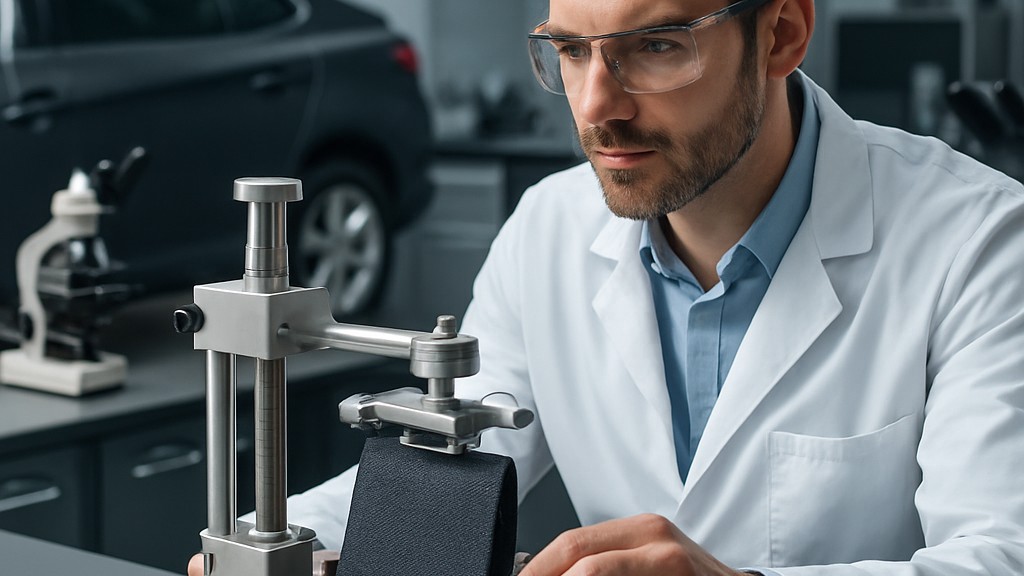
In the competitive world of automotive manufacturing, durability isn't just a selling point; it's a necessity. Vehicles are subject to constant wear and tear from occupants, cargo, and environmental factors, particularly on interior surfaces like seats, door panels, and upholstery. To ensure these components withstand real-world abuse, a series of laboratory test methods have been developed under the Ford BN 108 series of standards. Among these, Ford BN 108-04 stands out as a critical standard for assessing resistance to abrasion, a common type of surface damage caused by friction and rubbing in daily use.
Since its initial publication, this standard has become a cornerstone for material suppliers and Ford engineers. This test simulates the wear caused by fabric, leather, or plastic rubbing against each other or against external objects, helping to predict long-term performance and prevent costly recalls or customer complaints. As electric vehicles and sustainable materials gain momentum, this standard continues to be updated. This standard ensures vehicle interiors are as durable as they are stylish.
Scuffing—the unsightly marks left by shoes rubbing on upholstery or bags hitting panels—can ruin a vehicle's premium feel in just a few months. The Ford BN 108-04 standard addresses this issue by measuring a material's ability to withstand abrasion without visible deterioration.
This test is part of a broader ecosystem of Ford standards. For example,
Combined, these methods provide holistic durability testing for Ford's interior components.
The Ford BN 108-04 test procedure is a friction-based simulation designed to mimic the dynamic interactions within a vehicle cabin. Its core methodology involves controlled friction to induce friction. In general, this test method involves the following steps:
Quantitative measurements, such as gloss reduction by gloss meter or colorimetry, can supplement visual assessment. Failure thresholds are stringent: for high-end interiors, materials must reach at least Class 4 after 2.000 cycles.
The Ford BN 108-04 standard is an integral part of Ford's supplier qualification process. Materials used for seats, armrests, and instrument panels must pass this test before production. Priority was given to scratch resistance in the development of synthetic leather to ensure it could compete with genuine leather without ethical concerns.
Ultimately, the Ford BN 108-04 standard represents Ford's commitment to engineering excellence, elevating ordinary wear resistance to a benchmark for innovation. Rigorous testing ensures every interior component will last for miles. For materials engineers and automakers, this standard is also a path to long-lasting vehicles.
Our organization, which has been operating for many years and meticulously follows global developments in science and technology, employs a team of experienced professionals and a broad infrastructure to conduct testing, measurement, and analysis in a wide range of areas for businesses across all sectors. In this context, we also provide testing services in accordance with the Ford BN 108-04 Friction Resistance standard.
To get an appointment, to get more detailed information or to request an evaluation, you can ask us to fill in our form and reach you.

