

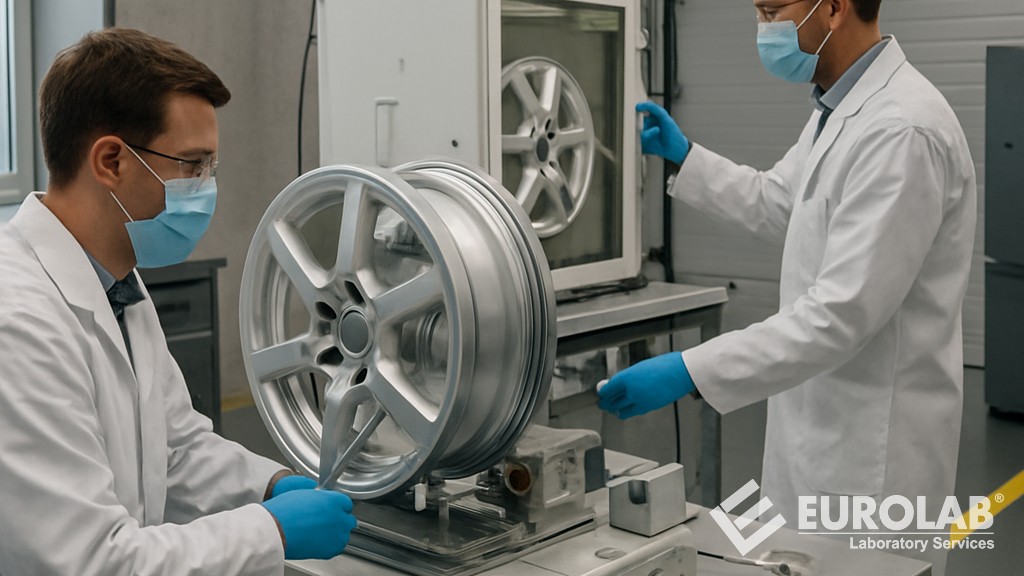
The “GMW 15287 Filiform Corrosion Test Procedure for Painted Aluminum Wheels and Painted Aluminum Wheel Coatings” standard, published by General Motors (GM), describes an improved procedure for the occurrence and evaluation of filiform corrosion in painted aluminum wheels and painted aluminum wheel coatings. This procedure has been used to assess the effectiveness of process and material modifications in terms of filiform corrosion in aluminum wheels or coatings. This procedure has also been used to evaluate filiform corrosion in painted aluminum body panels and parts. Unless otherwise specified, the procedure for testing these parts is the same as the procedure for testing wheels.
In the high-risk world of automotive manufacturing, where precision, durability, and innovation intersect, standards serve as the invisible architects of quality. General Motors (GM), one of the world's largest automakers, relies on a vast library of engineering standards to ensure consistency across its global operations. Among these, the GMW 15287 standard stands out as a specialized standard addressing critical aspects of material performance in harsh environments.
At the heart of the GMW 15287 standard are performance requirements for weather-resistant thermoplastic olefin materials. This standard outlines minimum performance criteria for thermoplastic olefin compounds, a class of thermoplastic elastomers valued for their flexibility, impact resistance, ability to mimic rubber feel, and ease of processing compared to conventional vulcanized materials.
Thermoplastic olefin materials are commonly found in automotive design for bumpers, instrument panels, gaskets, and exterior cladding. Their weather-resistant designation refers to enhanced UV resistance and resistance to environmental degradation, making them ideal for outdoor applications. The GMW 15287 standard ensures these materials meet stringent criteria regarding:
The GMW 15287 standard applies to both injection-molded and extruded parts and emphasizes sustainability by promoting the use of recycled materials without compromising performance. This standard...
What sets the GMW 15287 standard apart is its rigorous test matrix designed to simulate accelerated aging and stress. Compliance is typically ensured with international standards such as ISO 4892 (plastic aging) and ASTM D4329 (UV exposure). The main tests performed are as follows:
These tests are not merely checkboxes; they contribute to broader verification processes such as GM’s GMW 14145 standard (general plastics specification). Failure in any area can delay production, as seen in past material failure recalls. Suppliers are required to submit detailed material data sheets compliant with the GMW 15287 standard in order to obtain approval.
The GMW 15287 standard has ripple effects far beyond GM assembly lines. Major suppliers are encouraging innovation in low-emission, lightweight materials by adapting their thermoplastic olefin formulations to meet or exceed these specifications. For example, the standard's emphasis on post-consumer recycled content has accelerated the adoption of bio-based additives, aligning them with GM's carbon neutrality goals.
In a competitive environment, compliance with the GMW 15287 standard provides a competitive advantage. Thermoplastic olefin components contribute to better fuel efficiency and lower warranty requirements. However, this standard also presents some challenges, such as balancing cost and performance in a volatile resin price environment and adapting to the demands of electric vehicles where thermal management is crucial.
In conclusion, the GMW 15287 standard raises the bar in weather-resistant thermoplastic olefin performance, not only ensuring consumer safety but also pushing the automotive industry towards more durable and environmentally friendly designs. For engineers, suppliers, and enthusiasts, this standard is a testament to materials science.
For many years, our organization, with its competent and experienced staff, has been understanding the needs of its customers, providing the advanced testing services they require, and assisting in the establishment, implementation, and improvement of management systems. Within this framework, we also provide testing services to businesses in accordance with the "GMW 15287 Filiform corrosion test procedure for painted aluminum wheels and painted aluminum wheel coatings" standard.
To get an appointment, to get more detailed information or to request an evaluation, you can ask us to fill in our form and reach you.

