

The “GMW 3235 Anti-fogging Properties of Upholstery Materials” standard, developed by General Motors Worldwide (GMW), is an engineering standard that includes methods for evaluating the anti-fogging properties of automotive interior and ventilation system materials.
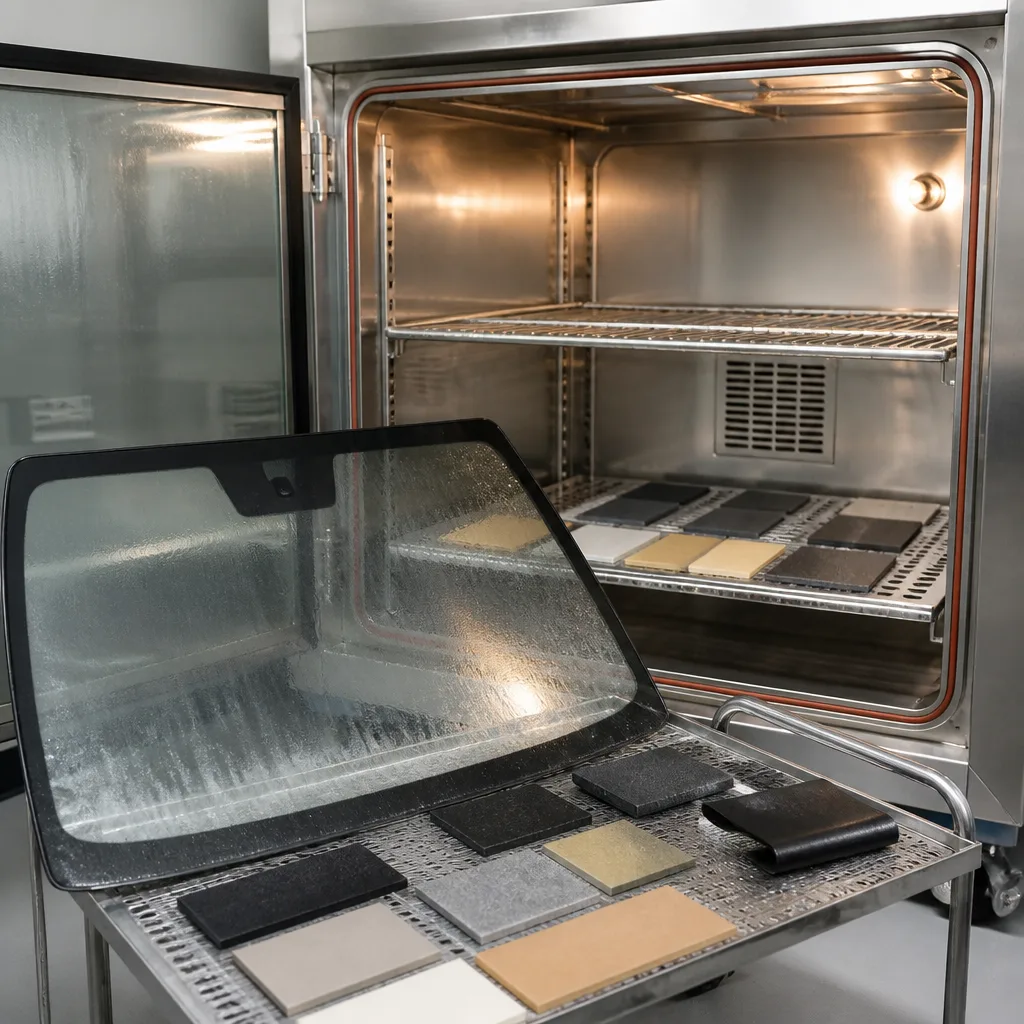
Condensation is a significant interior material property because volatile substances released from materials at high temperatures can condense on cooler surfaces, particularly on vehicle windows. This condensation can form a visible film or haze on windshields and windows, reducing optical clarity.
This standard is used for a wide variety of automotive materials, including plastics, elastomers, textiles, leather and leather fiber materials, foams, coated materials, films, and other interior components.
Automotive interior materials may contain low molecular weight or volatile components such as plasticizers, processing aids, residual solvents, and other additives. When the vehicle interior heats up, these substances can evaporate or migrate through the material. When the released substances reach a cooler surface, such as the windshield, they can condense to form a thin layer. This phenomenon is called fogging. Therefore, fogging is not just a visual problem. Excessive buildup on the glass can affect transparency and obstruct the driver's vision.
The primary purpose of the GMW 3235 standard is to provide a controlled laboratory procedure for determining the tendency of materials to fog up. This procedure simulates the release and subsequent condensation of volatile components under high-temperature conditions. The test is applicable to the following materials:
This standard may also be applied to some materials used in automotive lenses and similar applications.
The GMW 3235 standard includes two main approaches:
While a sample is heated under controlled conditions, a cooler glass plate provides the condensation surface. After the exposure time, the material that has precipitated onto the glass is evaluated using a reflectometer.
The result is expressed as a value related to the percentage of fogging or reflection, depending on the calculation and coding used.
These methods generally follow these steps:
The GMW 3235 standard defines controlled heating and cooling systems for misting devices. Example equipment specifications include an approximate heating range of 60–130 degrees and a glass cooling range of approximately 20–40 degrees, with an approximate temperature control tolerance of plus/minus 0,5 degrees. Actual conditions should be taken from the relevant revision and material specifications.
The chosen test temperature is important because condensation is greatly affected by temperature. The coded temperatures in this procedure are as follows:
The relevant specification determines which temperature is required. Since GMW standards are revised over time, laboratories should always use the temperature, exposure time, and evaluation requirements specified in the current revision and the customer's material specification.
Meanwhile, the two methods described should not be considered interchangeable numerical measurements. Results obtained using different test methods are not directly comparable, and the method specified in the relevant material specification, engineering drawing, or other control document should be used.
Generally,
A lower condensation result generally indicates better condensation resistance. Acceptance limits should be derived from the relevant material or component specification, rather than simply being inferred from the test method.
The GMW 3235 standard is important because automotive interiors can experience significant temperature increases during vehicle operation and exposure to sunlight. Materials that appear stable at room temperature can release volatile substances when heated. Good anti-fogging performance helps to:
Anti-fog testing is also part of a broader family of automotive interior emissions and material performance assessments. For example, laboratories often list the GMW 3235 standard alongside odor and other interior emissions tests.
The GMW 3235 standard belongs to a group of automotive anti-fogging procedures that utilize related principles. Accredited laboratories list standards such as DIN 75201, SAE J1756, ISO 6452, PV 3015, and GMW 3235 to determine anti-fogging properties. However, seemingly equivalent methods should not be automatically used interchangeably. The specified original equipment manufacturer procedure, method, and acceptance criteria should always be followed.
In conclusion, the GMW 3235 standard includes an important test procedure for evaluating the tendency of automotive interior and ventilation system materials to release volatile substances that condense on cooler surfaces. This standard provides Method A (photometric method) and Method B (gravimetric method), which allow for the evaluation of fogging performance through optical change or accumulated mass.
The GMW 3235 standard helps automotive manufacturers and suppliers select materials that maintain the required quality and visibility characteristics throughout the vehicle's lifespan and minimize fogging deposits by controlling sample heating, condensation conditions, and measurement procedures.
For many years, our organization, with its competent and experienced staff, has been understanding the needs of its clients, providing the advanced testing services they require, and assisting them in the establishment, implementation, and improvement of management systems. Within this framework, we also provide testing services in accordance with the GMW 3235 standard.
To get an appointment, to get more detailed information or to request an evaluation, you can ask us to fill in our form and reach you.

