

Developed by BMW, a leading German multinational company in the automotive sector, the “BMW PrV 311 Determination of the dimensional stability of car interior upholstery and seat upholstery under extreme climatic conditions” standard focuses primarily on evaluating the dimensional stability of interior upholstery and trim materials such as fabrics, coatings, foams, and other soft-touch materials used in vehicle interiors. It assesses how well these materials maintain their shape, dimensions, and form under varying climatic conditions.
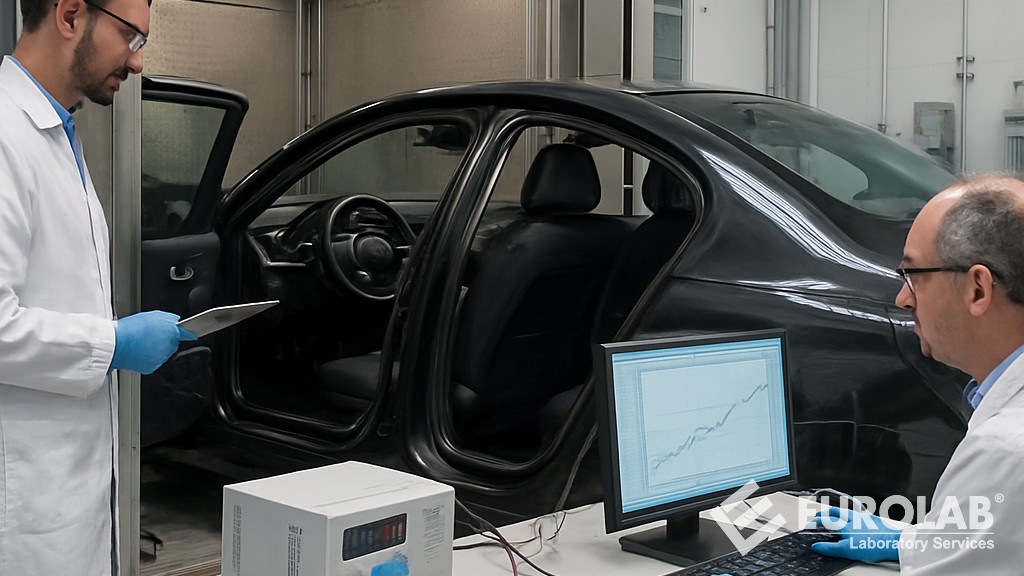
This testing method simulates real-world environmental stresses to which interior components are subjected, such as temperature fluctuations, humidity cycles, and thermal expansion and contraction. This helps ensure that dashboard trims, door panels, seats, headliners, and other upholstery pieces do not deform, shrink, stretch, or deteriorate over time, which can affect aesthetics, fit, durability, or even functionality in vehicles.
Samples are subjected to a controlled climate cycle involving varying high/low temperature and humidity levels over defined periods (climate change testing). Dimension measurements (length, width, thickness, etc.) are taken before and after exposure. The changes are evaluated according to acceptance criteria to determine whether the material meets BMW's quality requirements for series production approval (e.g., for suppliers of parts).
This method is part of BMW’s broader portfolio of materials and environmental testing for interior components. It is typically listed in the scopes of test laboratories alongside other BMW standards (e.g., for abrasion, lightfastness or chemical resistance of textiles and plastics).
BMW, like other original equipment manufacturers, uses these specific specifications to qualify suppliers and components. Passing the BMW PrV 311 standard helps guarantee long-term customer satisfaction by preventing issues such as sagging headliners, misaligned upholstery, or visible deterioration in premium interiors.
For a supplier, this standard is critical for indoor material validation.
The test method described in the BMW PrV 311 standard, a sub-section of this standard, determines how well these materials resist dimensional changes such as shrinkage, expansion, bending, sagging, or deformation when exposed to repeated climate cycles. This simulates the following real-world conditions that a vehicle interior is exposed to over its lifespan:
Samples are precisely measured before and after climate exposure, and any changes in length, width, thickness, or shape are compared against BMW's strict acceptance limits. This ensures that interior components maintain their perfect fit, appearance, and functionality for many years, which is critical to the perception of superior quality in vehicles.
Typical applications of this standard include:
In short, the BMW PrV 311.1 standard is a standardized method used by BMW to verify that interior textiles and upholstery will not shrink, stretch, or deform significantly under temperature and humidity changes. This method helps maintain the high-quality, durable feel expected in vehicles.
The BMW PrV 311.1 standard is important because it directly supports BMW's core brand promise of delivering superior, long-lasting interior quality, a key differentiating feature in the luxury and premium automotive segments. The main reasons this standard is important are as follows:
This standard's climate cycle testing rigorously simulates these real-life stresses, ensuring that materials do not undergo dimensionality changes beyond very tight tolerances (typically no more than 1-2 percent, depending on the material type).
In short, the BMW PrV 311.1 standard is important because poor dimensional stability is one of the fastest ways for an otherwise high-quality interior to age prematurely and disappoint its owners. For BMW, maintaining flawless interior harmony and workmanship throughout the vehicle's lifespan is non-negotiable, and this standard ensures precisely that.
For many years, our organization, with its competent and experienced team, has been understanding the needs of its clients, providing the advanced testing services they require, and assisting them in the establishment, implementation, and improvement of management systems. Within this framework, we also provide testing services in accordance with the BMW PrV 311 standard.
To get an appointment, to get more detailed information or to request an evaluation, you can ask us to fill in our form and reach you.

