

In the complex world of automotive manufacturing, where every component must withstand demanding conditions, material standards serve as the invisible architects of reliability and performance. Fiat Chrysler Automobiles (FCA), an Italian-American automotive company now part of Stellantis, has long been a pioneer in setting rigorous standards for materials used in its vehicles. Among these, the “Fiat MS 55246 Rigid polypropylene plastics by molding and extrusion” standard stands out as a specific specification for rigid polypropylene plastics obtained through molding and extrusion processes. This standard also serves as a cornerstone for producing durable, lightweight parts that enhance fuel efficiency, safety, and longevity in everything from Fiat 500 city cars to rugged Jeep models.
As automakers face increasing pressure from environmental regulations and consumer demand for lighter, more efficient vehicles, polymers like polypropylene have emerged as a game-changer. A versatile thermoplastic, polypropylene offers an excellent balance of strength, chemical resistance, and low cost, making it ideal for interior trim, under-hood components, and structural elements.
The Fiat MS 55246 standard was developed to address the unique challenges of rigid polypropylene in automotive applications. Offered as part of Fiat Chrysler Automobiles’ (FCA) broader Materials Standards (MS) framework, it builds upon previous standards such as MS 50184 for climate testing of adhesives and paints. Unlike more general standards from organizations such as ASTM or ISO, these standards are tailored to the company’s manufacturing realities, ensuring that parts not only meet global norms but also integrate seamlessly into Fiat’s assembly lines. This is critical in FCA’s global supply chain, where suppliers must adhere to the same rigorous criteria.
The Fiat MS 55246 standard essentially outlines performance requirements for rigid polypropylene plastics produced via injection molding or extrusion. These processes enable the creation of complex, high-precision shapes required for automotive parts such as instrument panels, bumper reinforcements, and air intake ducts.
The basic parameters in this standard are as follows:
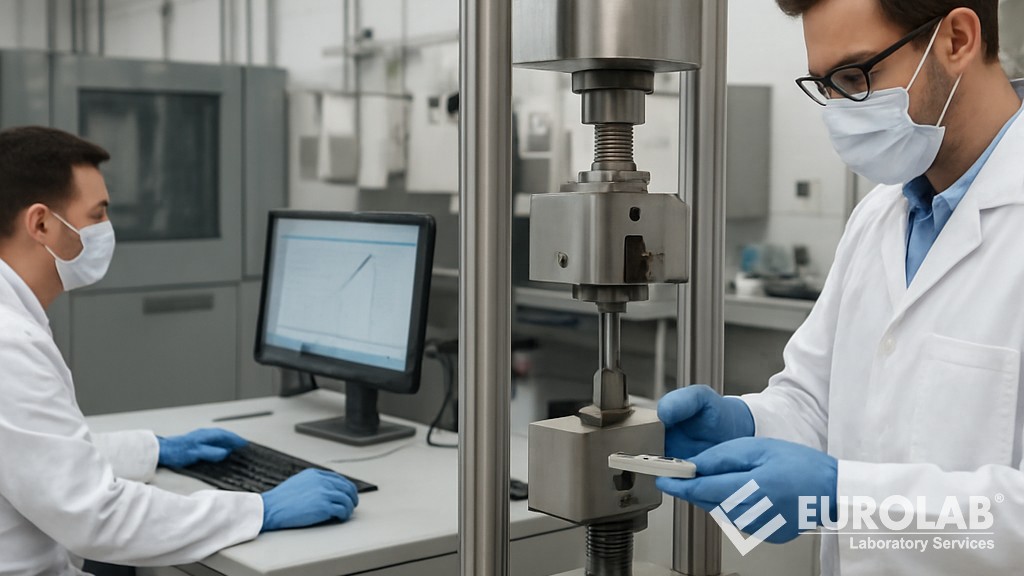
Compliance with the Fiat MS 55246 standard is verified through rigorous laboratory testing. Suppliers must provide certification, supported by data sheets and sample prototypes, demonstrating that their resins, often combined with glass fiber or talc for increased stiffness, meet these thresholds.
The impact of the MS 55246 standard is clearly visible across Fiat's entire product range. For example, in the compact Fiat 500, rigid polypropylene forms lightweight interior door panels and glove compartment linings, contributing to agile handling without compromising crash safety. In larger models, it is used in battery housings and structural brackets, and its wear-resistant construction protects sensitive electronic components. Furthermore, polypropylene bumpers compliant with the MS 55246 standard help Jeep Wranglers absorb bumps and shocks while keeping weight down.
In the age of electrification, this standard is evolving. Recent updates include requirements for recycled content, in line with EU sustainability goals. Fiat aims to use 30% recycled polypropylene in its new models, encouraging suppliers to innovate without compromising the integrity of the specification.
However, complying with the Fiat MS 55246 standard also presents some challenges. The UV sensitivity of polypropylene necessitates additives such as hindered amine light stabilizers, which increases costs.
In the coming period, as autonomous and connected vehicles demand smarter materials, the Fiat MS 55246 standard will be expanded to include intelligent additives for self-healing properties or embedded sensors. For today, the Fiat MS 55246 standard has the power to make driving smooth, safe, and sustainable.
For many years, our organization, with its competent and experienced staff, has been understanding the needs of its customers, providing the advanced testing services they require, and assisting them in the establishment, implementation, and improvement of management systems. Within this framework, we also provide testing services to businesses in accordance with the "Fiat MS 55246 Rigid polypropylene plastics obtained by molding and extrusion" standard.
To get an appointment, to get more detailed information or to request an evaluation, you can ask us to fill in our form and reach you.

