

The “VW TL 528 Chrome-plated plastic parts - Material requirements” standard, developed by the Volkswagen automotive company, describes the requirements for the surfaces of chrome-plated plastic parts in the interior, exterior, and engine compartment of a vehicle.
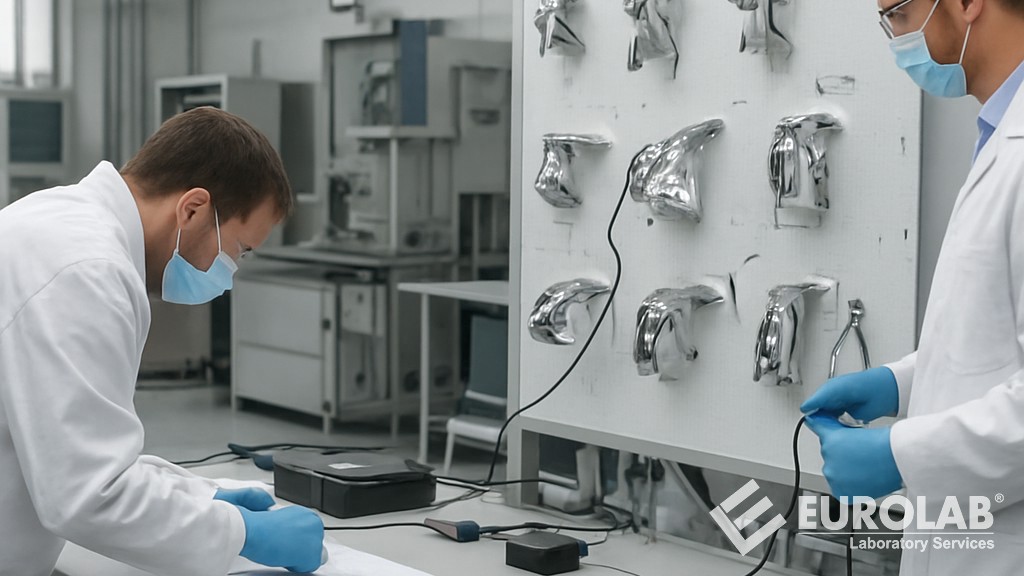
In the automotive manufacturing world, where aesthetics and durability intertwine and risks are high, the Volkswagen Group's technical standards ensure that each component performs flawlessly under real-world conditions. Among these, the VW TL 528 standard stands out as a critical specification for the surface quality of chrome-plated plastic parts.
This standard defines stringent requirements for decorative and functional chrome finishes on plastic surfaces used on the interior and exterior of vehicles. These requirements help manufacturers achieve uniformity, corrosion resistance, and visual appeal—factors that are essential in maintaining Volkswagen’s reputation for superior quality.
Volkswagen and its subsidiaries produce more than 10 million vehicles annually, and compliance with the VW TL 528 standard is non-negotiable for suppliers. It addresses the specific challenges of chrome plating on plastics, such as adhesion to non-metallic surfaces, resistance to environmental stressors, and the elimination of hazardous substances like hexavalent chromium.
Volkswagen's TL series of standards encompasses hundreds of standards covering everything from lubricants to crash tests, reflecting the company's commitment to innovation and safety. The VW TL 528 standard emerged from a growing demand for lightweight and cost-effective plastic components that mimic the shine of metallic chrome. The initial version focused on basic surface protection for plastics such as ABS, PC/ABS, and PMMA, categorizing parts by application (e.g., exterior trim, interior details).
Recent updates have mandated processes free of hexavalent chromium, encompassing stricter environmental regulations such as REACH compliance in Europe. Changes included expanding the scope to cover more part types and improved testing for recycled materials. Today, this standard is implemented across the VW Group, ensuring consistent quality from global suppliers.
The VW TL 528 standard categorizes chrome-plated plastic parts (e.g., Type 1 for a high-gloss exterior, Type 2 for a matte interior) and mandates specific performance criteria:
In short, incompatible parts should be marked on technical drawings, emphasizing traceability.
Compliance is not assumed, it is proven by a series of tests defined in the VW TL 528 standard. Advanced laboratories perform the following tests to simulate automotive stress factors:
These protocols ensure that parts are durable enough to withstand the vehicle's 10-15 year lifespan, from salty winters to sunny deserts. Failure in any area necessitates redesign or rejection, and detailed reporting is mandatory for VW approval.
The VW TL 528 standard has encouraged innovation in chrome plating, guiding suppliers towards sustainable, trivalent processes that maintain performance while reducing environmental hazards. For global suppliers, certification through accredited laboratories is essential and typically includes audits and material traceability.
With electric vehicles now dominating the VW product range, this standard will adapt to lighter plastics for battery housings and casings, aligning with broader sustainability goals. Non-compliance can lead to costly recalls or contract losses, highlighting its role in supply chain reliability.
In conclusion, the VW TL 528 standard is a benchmark of excellence in automotive coatings. By applying rigorous surface finishes to chrome-plated plastics, it benefits consumers worldwide by preserving vehicle aesthetics, safety, and longevity. As the industry shifts towards more environmentally friendly production, further developments highlighting eco-friendly coatings are expected.
For many years, our organization, with its competent and experienced team, has been understanding the needs of its clients, providing the advanced testing services they require, and assisting them in the establishment, implementation, and improvement of management systems. Within this framework, we also provide testing services compliant with the VW TL 528 standard.
To get an appointment, to get more detailed information or to request an evaluation, you can ask us to fill in our form and reach you.

