

The “Renault D45 1131 Water permeability” standard, developed by the French automobile company Renault, describes a procedure for assessing how effectively a material resists water ingress.
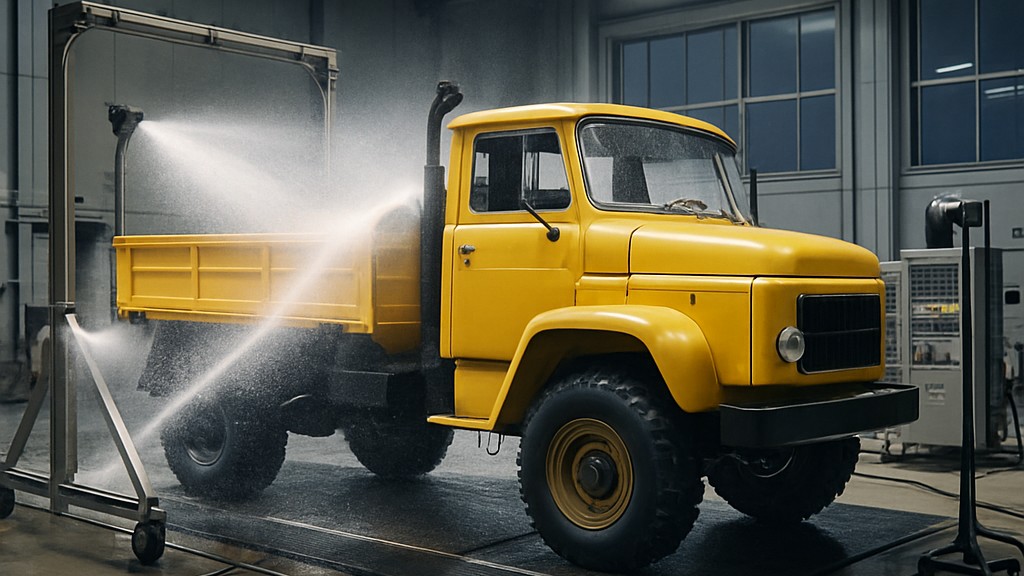
In the high-stakes world of automotive manufacturing, where every component must withstand harsh conditions, rigorous testing standards are a key factor in ensuring safety, durability, and performance. Renowned for its innovative vehicles, French automotive giant Renault has developed a comprehensive suite of internal standards to evaluate the materials used in its vehicles. Among these, the D45 1131 standard stands out as a critical protocol for assessing water permeability in materials.
Renault's D45 series of standards encompasses a wide range of test methods specifically designed for interior and exterior vehicle components. Frequently referenced in quality assurance and supplier certification, these standards cover everything from plastics and rubber to coatings and textiles. The designation "D45" generally refers to materials qualification and performance assessments, and each protocol targets a specific characteristic.
The Renault D45 1131 standard is part of this ecosystem, which focuses on water permeability, a crucial factor for materials exposed to moisture, rain, or condensation in a vehicle's environment. Poor water resistance can lead to corrosion, mold growth, electrical malfunctions, or aesthetic deterioration, compromising both functionality and passenger comfort. By requiring compliance, this standard ensures suppliers deliver components that maintain their integrity in wet conditions.
In general, this standard is often referenced together with other standards in the D45 family. For example:
These interconnected tests form a holistic framework for material validation.
The Renault D45 1131 standard essentially assesses how effectively a material resists water ingress. This is particularly important for seals, door panels, and dashboard components, where even small leaks can cause major problems.
This procedure may involve controlled water exposure under simulated real-world pressures, but precise details are available to Renault. Based on industry parallels, key test parameters are:
Failure under Renault's D45 1131 standard can be caused by porous microstructures in polymers or inadequate surface treatments, leading to material reformulations such as the addition of hydrophobic additives such as silicone or fluoropolymers. Accredited laboratories perform these tests, providing unbiased results for Renault's supply chain.
Renault is integrating the findings of the D45 1131 standard across its entire range, including electric models. Interior textiles and seals in these vehicles must undergo water permeability tests to prevent water damage from urban floods or high-pressure washing. Similarly, exterior trim also utilizes these tests for resistance to wash residue.
Suppliers worldwide, from European polymer giants to Asian manufacturers, are calibrating their R&D efforts to meet the Renault D45 1131 standard, driving innovation in sustainable materials such as recycled PET blends that balance permeability with environmental friendliness.
However, there are obstacles to implementing this standard. Traditional materials like PVC often excel at waterproofing but fail to recyclably, leading Renault to turn to bio-based alternatives. Recent developments include nanotechnology coatings that create superhydrophobic surfaces that reduce permeability by over 90 percent while maintaining lightweight properties.
Meanwhile, the rise of electric vehicles is increasing the importance of the standard: battery enclosures require ultra-low water ingress to prevent short circuits. Renault's ongoing R&D is enhancing the D45 1131 standard to include accelerated aging simulations for long-term electric vehicle durability.
Ultimately, the Renault D45 1131 standard is an example of the precision engineering that underpins modern automobiles. By rigorously testing water permeability, it protects against the hidden threats posed by moisture, ensuring Renault vehicles deliver reliable performance for years to come. As technological innovations and the industry shift towards sustainability and electrification, standards like the Renault D45 1131 are evolving, encouraging innovations that keep drivers safe.
The Renault D45 1131 standard is critical for several reasons related to ensuring vehicle quality, safety, and longevity. This standard is considered important for the following reasons:
In summary, the Renault D45 1131 standard is the cornerstone of vehicle reliability, ensuring materials can withstand the rigors of moisture. This protects the company's reputation, reduces warranty costs, and provides safe, durable, and comfortable vehicles to customers worldwide.
Our organization, which has been serving for many years and meticulously following global developments in science and technology, employs a skilled team and extensive infrastructure to conduct testing, measurement, and analysis in a wide range of areas for businesses across all sectors. In this context, we also provide testing services in accordance with the Renault D45 1131 Water Permeability standard.
To get an appointment, to get more detailed information or to request an evaluation, you can ask us to fill in our form and reach you.

