

EN 50436, a European standard , consists of the following sections under the main heading "Alcohol locks - Test methods and performance requirements":
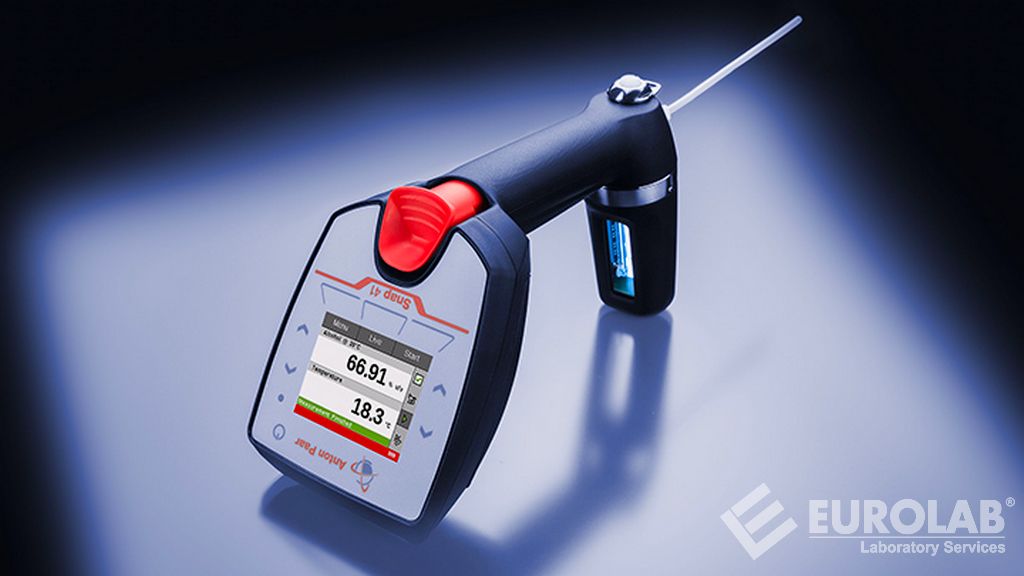
EN 50436-1 standard describes test methods and performance requirements for breath alcohol interlocks. This standard covers alcohol interlocks intended for use in both programs targeting drunk driving offenders and comparable monitored or controlled programs. It is aimed at test laboratories and alcohol interlock manufacturers. The standard describes the requirements and test methods for type approval. For type testing purposes, several parameters such as alcohol concentration or breath volume are specified in this standard. However, when alcohol interlocks are in use, different adjustments to the prescribed parameter values may be necessary depending on national regulations or user requirements. However, this standard does not apply to alcohol interlocks intended for general preventative use, instruments measuring alcohol concentration in ambient air in vehicles, alcohol interlocks without mouthpieces, and vehicle connections. For the purposes of this standard, an alcohol interlock refers to equipment that, when fitted to prevent the vehicle engine from running, is normally in a blocked state and can be unblocked after the presentation and analysis of a breath sample with an alcohol concentration below a limit value. It typically consists of a handset and a control unit electrically connected to the vehicle.
The EN 50436-2 standard describes test methods and performance requirements for breath alcohol controlled alcohol locks with mouthpiece. This standard covers alcohol locks for general preventive use. This standard is intended for test laboratories and alcohol lock manufacturers. This standard describes the requirements and test methods for type approval. For type testing purposes, several parameters such as alcohol concentration or breath volume are specified in this standard. However, when alcohol locks are in use, the prescribed parameter values may need to be set differently depending on national regulations or user requests. In addition, this standard also applies to alcohol locks integrated into other systems of the vehicle. However, this standard does not apply to alcohol locks intended for use in drink-driving traffic safety programs, instruments that measure the alcohol concentration in the ambient air in the vehicle, alcohol locks without a mouthpiece, and vehicle attachment methods.
According to the EN 50436-3 standard, the alcohol lock is a system that includes a breath alcohol measuring device and an immobilizer that can be easily attached to motor vehicles such as passenger cars, passenger buses, taxis, hazardous material carriers, trucks, trams, trains, motorcycles, boats or snowmobiles. Before starting the vehicle engine or moving the vehicle, a breath sample must normally be supplied to the alcohol lock through a mouthpiece. After the breath alcohol measurement has been taken, the alcohol lock prevents drivers with an alcohol concentration above a predetermined limit value from starting the engine. Alcohol locks that meet relevant standards, for example, detect whether the sample has been delivered by a human. It can also detect and prevent tampering with the device. The purpose of this standard is to provide practical guidance for the selection, installation, use and maintenance of alcohol locks. It is aimed at anyone with an interest in alcohol locks, as well as companies that sell and install alcohol locks, buyers and users for commercial, professional or private use. This standard describes alcohol locks for use in vehicles as a general preventive measure for use in traffic safety as well as in drink-driving offender programs.
The EN 50436-4 standard specifies the interface between an alcohol lock and vehicle for manufacture and aftermarket installation. It details the modes of electrical connections, the assignment of electrical connecting lines, as well as the information to be exchanged between the vehicle and the alcohol lock. This standard is applicable to alcohol locks for drink-driving and offender programs, as well as to alcohol locks for general preventive use. This standard is mainly aimed at alcohol lock manufacturers and vehicle manufacturers. This standard describes the exchange of information using a local interconnection network (LIN) connection. This network is the serial network protocol used for digital communication between components in vehicles.
The EN 50436-6 standard describes the security requirements for the protection and processing of event records that are stored in the data memory of breath alcohol controlled alcohol locks and can be downloaded, processed and transferred to the inspecting person or organization. This standard is primarily intended for testing laboratories, manufacturers of alcohol locks, legislatures, and organizations that process and use alcohol lockout event records. According to this standard, the alcohol lock basically consists of the handset and the control unit. Optional accessory devices authorized by the manufacturer as part of the alcohol lock system, eg devices intended for use in the vehicle while in operation, are considered as part of the alcohol lock, where applicable.
The EN 50436-7 standard defines the content and layout of an installation document that provides necessary and useful information about aftermarket installation of an alcohol lock on a vehicle. This standard details the type of vehicle, wiring diagrams, accessibility instructions and recommendations to avoid safety risks. The content and layout make the factsheet easy to use by installers in different countries and may be available in paper or electronic format. This standard is applicable to alcohol locks described in the first and second sections. This standard is mostly designed for vehicle manufacturers and alcohol lock manufacturers. However, this standard does not apply to the installation documentation process, installation process, training and education information for installers, general performance requirements for alcohol locks, and installation of the alcohol lock during vehicle manufacture.
Among the numerous test, measurement, analysis and evaluation studies it provides for businesses in various sectors, our organization also provides testing services to determine the performance requirements of alcohol locks within the scope of EN 50436 standard, with its trained and expert staff and advanced technological equipment.
To get an appointment, to get more detailed information or to request an evaluation, you can ask us to fill in our form and reach you.

