

The “VW PV 1073 Chrome-plated plastic parts - Corrosion resistance of chrome surfaces” standard, developed by the Volkswagen automotive company, describes time-accelerated test procedures for evaluating the corrosion resistance of electroplated chrome-plated surfaces. These procedures produce damage patterns correlated with results obtained from customer operations.
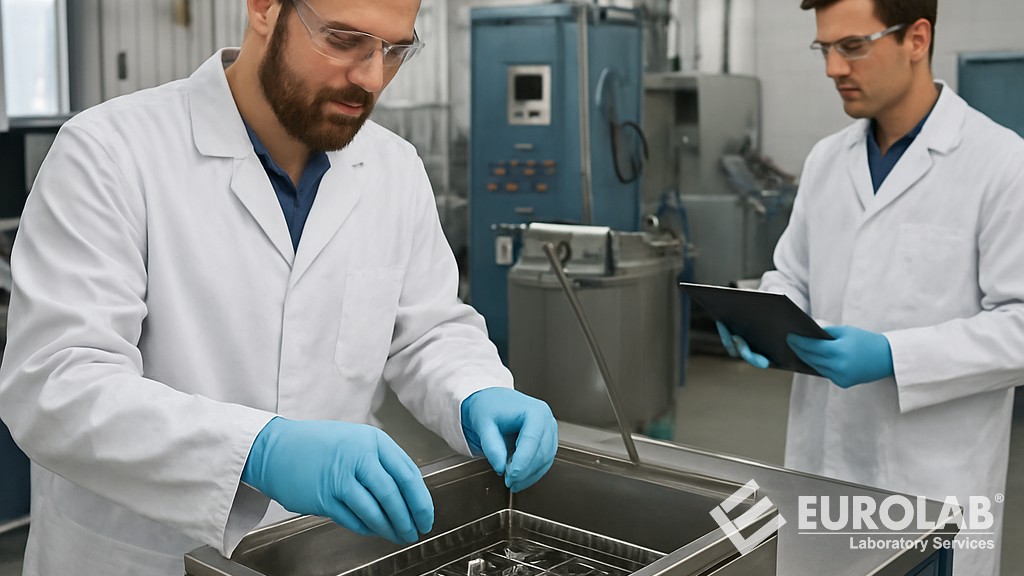
In the high-risk automotive manufacturing world, where vehicles must withstand harsh environmental conditions, material durability is paramount. Volkswagen, one of the world's leading car manufacturers, has developed a comprehensive suite of internal standards known as PV specifications to ensure components meet stringent quality and performance criteria. Among these, the VW PV 1073 standard stands out as a critical test protocol specifically designed to evaluate the corrosion resistance of chrome-plated surfaces. This standard is essential for parts such as upholstery, wheels, and engine components, where chrome plating not only enhances aesthetics but also provides protective barriers against rust and deterioration.
The widely adopted VW PV 1073 standard helps suppliers and manufacturers verify that chrome coatings can withstand exposure to salt, moisture, and temperature fluctuations, which are common causes of vehicle corrosion.
The VW PV 1073 standard focuses on evaluating the integrity of decorative and functional chrome plating in simulated corrosive environments. Unlike general corrosion tests, this standard targets chrome's unique properties, namely its hardness, reflectivity, and tendency to pit or blister when damaged.
The primary aim is to simulate real-world conditions encountered by vehicles in winter climates, such as road salt or coastal humidity. This standard measures a chrome surface's ability to withstand these factors, ensuring the vehicle's compliance with stringent supplier requirements. It is often used in conjunction with related standards such as VW PV 1058 (for micro-crack patterns on chrome) and VW PV 1061 (for hard chrome assessment on connecting rods), creating a holistic quality assurance framework.
The described procedure is not only necessary for certification, but also directly affects the vehicle's lifespan, safety, and resale value. A faulty chrome component can lead to accelerated wear on load-bearing parts, aesthetic deterioration, and even structural weaknesses.
The test procedure is a laboratory-based accelerated corrosion simulation, typically performed in salt spray chambers. The general methodology follows a structured protocol:
This procedure complies with broader automotive corrosion standards such as SAE J2334, but has been adapted to VW's chrome-specific needs. Accredited laboratories perform these tests using state-of-the-art equipment to ensure repeatability.
The VW PV 1073 standard is essential for various chromium-dependent components:
Suppliers integrate this standard into their quality control processes, often automating coating processes to meet its requirements. This standard has been referenced by VW as well as other original equipment manufacturers and has influenced global standards.
In electric vehicles, where the use of chromium is shifting towards lighter and corrosion-resistant alternatives, this standard helps validate hybrid materials such as chromium in place of aluminum.
For many years, our organization, with its competent and experienced staff, has been understanding the needs of its customers, providing the advanced testing services they require, and assisting in the establishment, implementation, and improvement of management systems. Within this framework, we also provide testing services to businesses in accordance with the "VW PV 1073 Chrome-plated plastic parts - Corrosion resistance of chrome surfaces" standard.
To get an appointment, to get more detailed information or to request an evaluation, you can ask us to fill in our form and reach you.

