

The standard “VW 50137 Polyphenylene sulphide for finished parts in chassis and powertrain areas – Material requirements”, developed by the Volkswagen automobile company, describes the material requirements for glass fibre-reinforced or impact-resistant polyphenylene sulphide (PPS) in vehicle, engine, chassis, transmission and body sections (without paint coating).
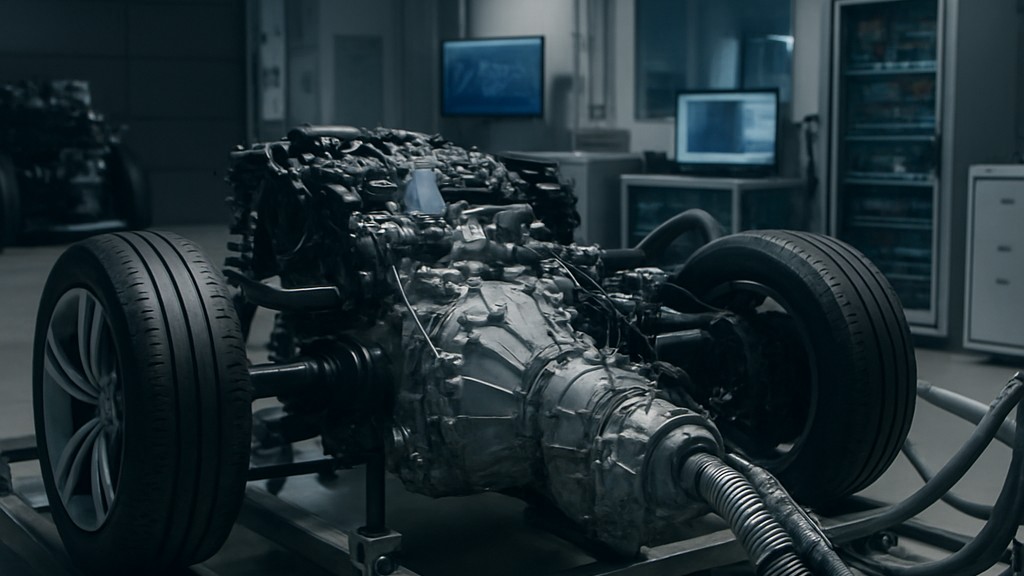
Polyphenylene sulfide is a material with exceptional heat, chemical, and flame resistance. A widely used, rigid, opaque thermoplastic, its applications include cooking appliances, sterilizable laboratory equipment, hair dryer grills, exhaust gas recirculation valves, carburetor components, and automotive components such as ignition plates.
Its heat resistance and good electrical insulation properties mean that polyphenylene sulfide finds use in electrical components instead of metals and some thermosets. Lamp reflectors must withstand temperatures up to 250 degrees Celsius, so they are still mostly made from thermosets or cast metal.
In the automotive industry, polyphenylene sulfide has effective resistance to corrosive engine exhaust gases, ethylene glycol and gasoline, making it an ideal material for exhaust gas recirculation valves, carburetor parts, ignition plates and flow control valves for heating systems.
The automotive industry demands high-performance materials that can withstand harsh operating environments, particularly in the areas of fluid sealing and gasket design. One such key specification used by the Volkswagen Group is the VW 50137 standard, which outlines the requirements for seals and gaskets that come into contact with various automotive fluids. This standard ensures that materials perform reliably when exposed to engine oils, transmission fluids, fuels, and coolants.
The VW 50137 standard focuses on:
Its primary purpose is to standardize testing and quality requirements for seal materials used in VW engines, transmissions and other fluid handling systems, ensuring compatibility, durability and service performance.
The VW 50137 standard defines various test methods and criteria, including:
The VW 50137 standard covers a wide range of materials, typically including:
The selection of the appropriate material depends on the application environment, such as temperature range, fluid type, and required mechanical performance.
Compliance with this standard is important in automotive applications for:
This standard helps minimise warranty issues and ensures consistency across all vehicles produced under the VW Group (e.g. Volkswagen, Audi, SEAT, Skoda).
Our organization, which has been supporting businesses across all sectors for years through a wide range of testing, measurement, analysis, and evaluation activities, has a strong team of employees who closely follow global developments in science and technology and are constantly improving themselves. In this context, we also provide testing services in accordance with the VW 50137 "Polyphenylene sulfide for finished parts in chassis and powertrain areas - Material requirements."
To get an appointment, to get more detailed information or to request an evaluation, you can ask us to fill in our form and reach you.

