

Developed by BMW, a multinational vehicle manufacturer, the “BMW AA 0602 Determination of Pressure Sensitivity and Pressure Resistance of Upholstery Filling” standard describes a method for evaluating the long-term compression behavior of upholstery filling used in automotive seats, upholstery, and soft interior components. This test method ensures that cushioning materials maintain their thickness, elasticity, and comfort throughout the vehicle's lifespan.
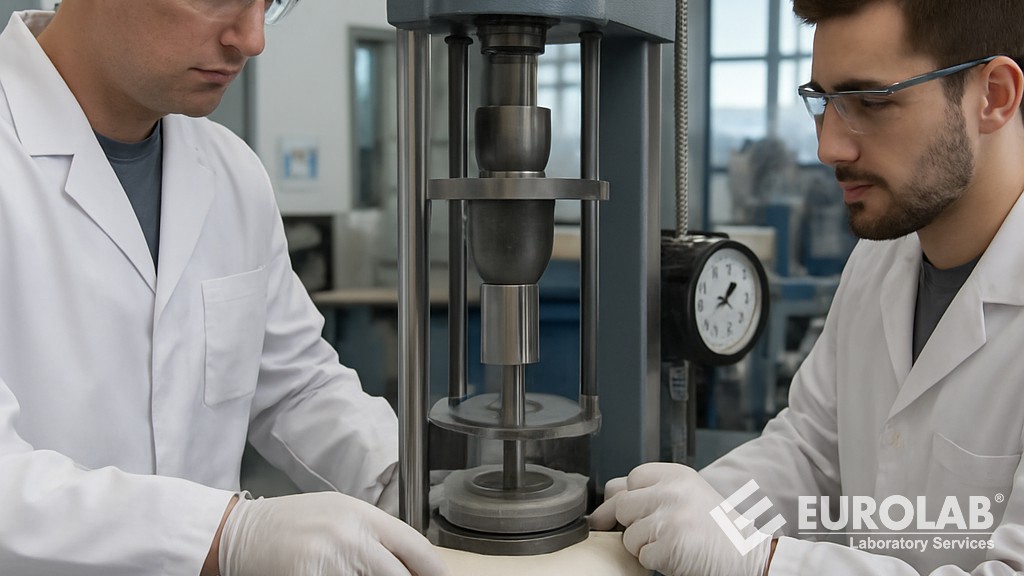
Floor infill is typically found in the following locations:
Because these components are regularly loaded by passengers, their performance directly affects both comfort and perceived vehicle quality.
The primary objectives of the BMW AA 0602 standard generally include the following:
This standard can generally be used in the following:
A typical compatibility structure includes the following:
Compliance certificates are generally required during the initial sample qualification stages.
Essentially, the BMW AA 602 standard is considered important for the following reasons:
For a global manufacturer like BMW, internal standards are crucial in ensuring consistency across factories in different countries.
Compression-resistant permanent deformation in upholstery padding or foam refers to the permanent deformation (loss of thickness or elasticity) that occurs in flexible foam materials or paddings (e.g., polyurethane foam, polyester fiber, or non-woven padding used under leather/fabric upholstery) after compression under prolonged load. In automotive seats,
Typical industrial tests for compressive permanent deformation follow methods such as ISO 815, ASTM D1056, or ASTM D3574 standards. In these methods, a sample is compressed under high temperature and humidity for a specific period of time (e.g., 50 percent or 75 percent of its original thickness), then released, and the remaining deformation is measured as a percentage.
The BMW AA 602 standard specifically addresses the compression deformation performance of upholstery fillers, padding layers, or soft foam supports used in interior trim. This standard specifies the maximum permissible compression deformation percentages after accelerated aging/compression testing (e.g., under heat, humidity, and cyclical loading simulating long-term seat use).
To prevent seat sagging, maintain tactile quality (feel), and provide consistent support for ergonomic seating, the upholstery padding should have low compression permanent deformation.
Typical requirements for similar BMW interior foam/padding specifications include:
This standard is considered important for the following reasons.
This standard helps BMW interiors maintain their superior quality for much longer than many competitors, contributing to higher resale values and owner satisfaction.
In conclusion, the BMW AA 602 standard is part of BMW's proprietary standards framework focusing on material performance, compatibility, and durability. While not an international standard, it plays a significant role in maintaining automotive quality and supporting supply chain engineering processes. It promotes consistent performance of vehicle components and helps suppliers meet BMW's stringent internal requirements.
For many years, our organization, with its competent and experienced staff, has been understanding the needs of its clients, providing the advanced testing services they require, and assisting in the establishment, implementation, and improvement of management systems. Within this framework, we also provide testing services to businesses in accordance with the "BMW AA 0602 Determination of pressure sensitivity and pressure persistence in floor filling" standard.
To get an appointment, to get more detailed information or to request an evaluation, you can ask us to fill in our form and reach you.

