

Stellantis, an American automobile brand and division of Chrysler, describes a series of methods used in the “Chrysler LP-463KC Cleanability and Stain Resistance Tests” standard, developed by Chrysler, to test interior trim materials for vehicles, including cleanability, stain resistance, odor resistance, sweat resistance, water stain resistance, and similar performance characteristics.
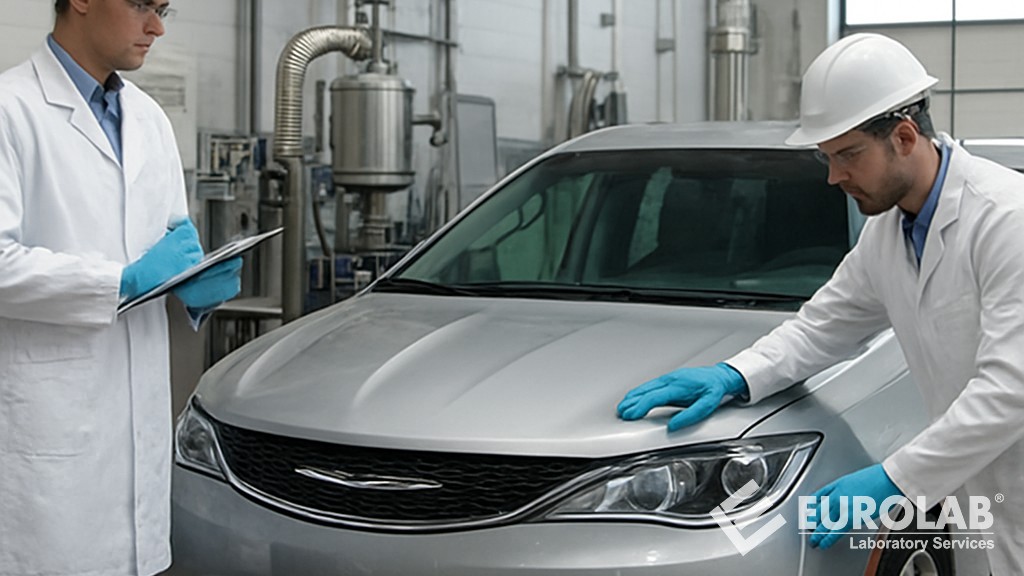
The Chrysler LP-463KC standard series refers to a set of laboratory procedures developed by Chrysler to evaluate the performance of interior trim materials in automotive applications. These standards primarily focus on the cleanability, dirt resistance, stain resistance, dye transfer, water stain formation, perspiration resistance, and related properties of soft upholstery materials such as fabrics, leathers, synthetic leathers, plastics, TPEs, and upholstery cloths.
These testing methods ensure that internal components meet durability, appearance preservation, and maintenance requirements under real-world conditions, including exposure to spills, dirt, cleaning agents, body contact (e.g., sweat), and environmental factors.
The main test methods described in the Chrysler LP-463KC standard are as follows:
These tests are widely used in accreditation processes, material supplier certifications, and original equipment manufacturer (OEM) requirements.
Interior upholstery must withstand spills (coffee, oil), body oils/sweat, dirt from clothing, and cleaning without losing its color, texture, or appearance. The LP-463KC standard test methods simulate these in the following ways:
These methods are compatible with broader automotive standards (e.g., cross-referenced with GMW, FLTM, SAE, or ISO equivalents) and support compliance for internal quality.
In short, the Chrysler LP-463KC standard is mandatory to guarantee the durability of vehicle interior upholstery materials (seat fabrics, leather, vinyl, plastic trim, carpet) under daily use conditions. Without this standard, the quality, durability, and customer satisfaction of vehicle interiors are seriously jeopardized. The test methods described here are important for the following reasons:
In conclusion, the LP-463KC standard is necessary because it scientifically verifies the appearance, cleanability, and longevity of the vehicle's interior. Without it, quality control is impossible, customer satisfaction decreases, costs increase, and brand reputation suffers. In the automotive industry, the interior trim is an invisible yet highly noticeable part. This standard protects precisely that.
For many years, our organization, with its competent and experienced staff, has been understanding the needs of its customers, providing the advanced testing services they require, and assisting them in establishing, implementing, and improving management systems. Within this framework, we also provide testing services in accordance with the Chrysler LP-463KC standard.
To get an appointment, to get more detailed information or to request an evaluation, you can ask us to fill in our form and reach you.

