

In the demanding world of automotive engineering, materials used in vehicles must withstand extreme environmental conditions to ensure longevity, safety, and aesthetics. The “MBN 10505 Wear of non-metallic materials in humid climates” standard, published by the Mercedes-Benz Group, known for its stringent quality standards, plays a crucial role in evaluating the durability of non-metallic materials and components in humid and hot climates.
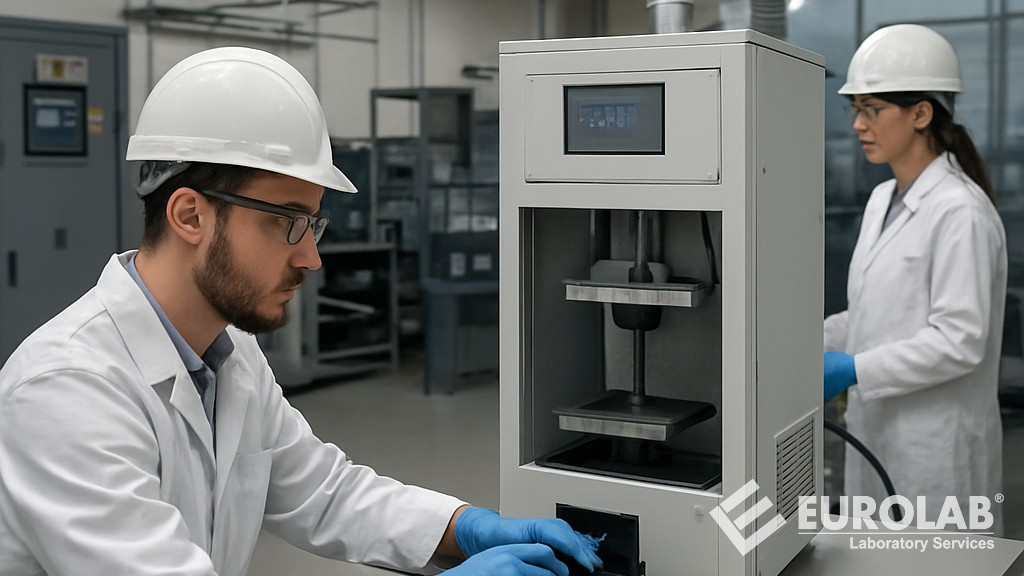
The MBN 10505 standard, a fundamental standard for resistance testing in humid and hot weather conditions, is specifically designed to simulate accelerated wear conditions characteristic of subtropical regions with high humidity and intense sunlight, such as Florida. Therefore, the standard is referred to as the “Florida mode” test.
This standard is part of a broader suite of material testing protocols that complements standards such as “MBN 10506 Non-metallic abrasion in dry and hot climates” and “MBN 10494 Scratch resistance in car washing - Paint testing methods,” which are designed to simulate Arizona desert conditions.
The primary purpose of the MBN 10505 standard is to assess the durability of non-metallic automotive components, such as plastics, polymers, elastomers, paints, coatings, adhesives, and interior/exterior trim, when exposed to prolonged humid heat and UV radiation. Vehicles marketed in various climate zones around the world are exposed to intense sunlight, high temperatures, and high humidity, which can lead to:
By subjecting materials to this testing, Mercedes-Benz ensures that parts in its vehicles (from instrument panel components to exterior trim) maintain their performance and appearance over time, meeting the brand's reliability standards.
The “Florida mode,” as defined in the MBN 10505 standard, refers to simulating the harsh subtropical climate of Florida, known for its combination of intense UV exposure, high temperatures (typically between 30-40 degrees Celsius), and nearly constant high humidity (80-100 percent). Tests are typically conducted in specialized weatherproofing chambers (e.g., xenon arc or QUV devices) that simulate the following:
This method is widely referenced as an accelerated outdoor weather resistance simulation in advanced and accredited testing laboratories. A commonly referenced version is the MBN 10505 standard, which specifies artificial weather resistance protocols. Real-world correlations typically involve exposure times equivalent to several years in Florida (e.g., 2.000–5.000 hours in room testing depending on the material). This contrasts with dry-hot testing (the method defined in the MBN 10506 standard), which focuses more on arid, high-UV environments where the humidity factor is absent, accelerating certain degradation processes such as hydrolysis in polymers.
The MBN 10505 standard is mandatory for suppliers providing parts to Mercedes-Benz and ensures that everything from body panels to gaskets and interior fabrics undergoes rigorous verification. Laboratories worldwide offer accredited testing for automotive components according to this standard.
In an industry where material failures can lead to costly recalls or brand damage, MBN 10505 and similar standards underscore Mercedes-Benz’s commitment to engineering excellence. As electric vehicles and new composite materials emerge, such testing continues to evolve, helping vehicles withstand the toughest real-world conditions, from Miami’s humidity to Dubai’s heat.
Material durability is extremely important for automotive suppliers and manufacturers. Consequently, the MBN 10505 standard is used for the following reasons:
The test is labeled “Artificial weathering in Florida mode.” It involves exposing samples of non-metallic materials to humid climate conditions along with UV radiation and heat to accelerate aging. Tests may cover factors such as color change, gloss retention, cracking, brittleness, loss of toughness, and mechanical integrity under high humidity/UV/heat. Suppliers may use this in design verification, supplier qualification, or as part of an application to original equipment manufacturers.
In short, this standard defines the durability requirements for Mercedes-Benz. Compliance with this standard provides assurance regarding part lifespan and performance in harsh climates.
For many years, our organization, with its competent and experienced staff, has been understanding the needs of its clients, providing the advanced testing services they require, and assisting in the establishment, implementation, and improvement of management systems. Within this framework, we also provide testing services to businesses in accordance with the "MBN 10505 Wear of non-metallic materials in humid climates" standard.
To get an appointment, to get more detailed information or to request an evaluation, you can ask us to fill in our form and reach you.

