

The “Volvo STD 1027-6132 Test Fluid” standard, developed by Volvo, defines test fluids typically used to determine the resistance of polymeric materials (e.g., rubber, plastics, or paints and enamels) to liquids.
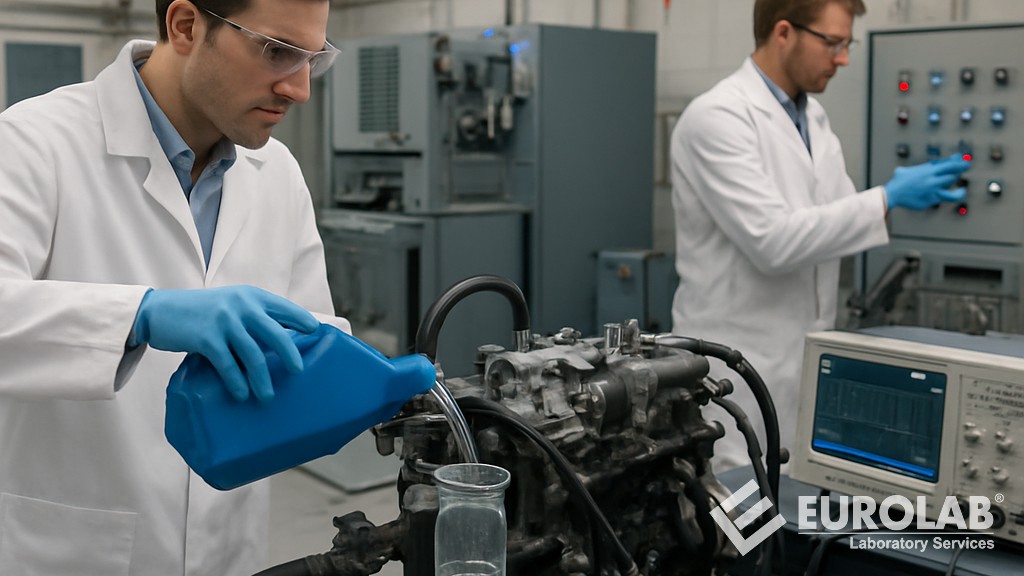
In the high-risk automotive manufacturing world where safety, durability, and environmental compliance are non-negotiable, standards developed by the Volvo Group play a vital role. Among these, the Volvo STD 1027-6132 standard stands out as a test protocol. The Volvo STD 1027 series of standards focuses on the rigorous evaluation of materials and components in terms of emissions, corrosion, and environmental impact.
Volvo, a world leader in commercial vehicles, buses, construction equipment, and marine engines, implements a comprehensive set of corporate standards to ensure uniformity throughout its supply chain. These standards are legally binding on supplier contracts and are designed to promote efficiency, quality, and economies of scale. Volvo publishes these standards covering everything from material composition to performance under demanding conditions. The standards in the 1027 series, in particular, are renowned for addressing volatile emissions and indoor air quality in vehicle interiors. For example,
The Volvo STD 1027-6132 standard perfectly aligns with this series of standards by defining protocols for emission testing or material verification in controlled environments.
The Volvo STD 1027-6132 standard is essentially designed to protect passenger health and vehicle life by measuring and reducing harmful emissions from plastics, adhesives, textiles, and other interior components. In modern vehicles where cabins are becoming increasingly airtight for energy efficiency, even trace amounts of volatile organic compounds (VOCs) can accumulate, leading to discomfort, odors, or long-term health risks.
This standard primarily includes the following:
The relevant standards in the series complement this by evaluating mechanical durability as well as chemical stability, such as the Volvo STD 423-0047 standard for accelerated color fastness or the Volvo STD 1024-3716 standard for tear strength. For corrosion aspects, Volvo uses cyclical tests such as Volvo STD 1027-1449 (accelerated corrosion test II) or Volvo STD 1027-1375 (Volvo indoor corrosion test), which go through salt spray, moisture and dry phases to simulate harsh environments.
Volvo suppliers must comply with these standards during the production part approval process, using tools such as initial sample test forms from Volvo STD 5036-0011 or failure mode and effects analysis templates from Volvo STD 105-0005. Tests are typically carried out by advanced and accredited laboratories that offer Volvo-specific services such as wear resistance, cleanliness durability, or sunscreen exposure in interior spaces.
The ripple effects of this are profound. By implementing low emission standards, Volvo reduces its environmental footprint and enhances brand confidence. In the age of electric vehicles and sustainable production, such protocols help achieve challenging goals like zero volatile organic compound (VOC) interiors. Furthermore, they also stimulate innovation: material developers are now prioritizing bio-based alternatives that have passed the 1027 series of tests, guiding the industry towards more environmentally friendly solutions.
In short, the Volvo STD 1027-6132 standard defines the following:
Volvo STD 1027-6132 standard is considered important for the following reasons:
In conclusion, the Volvo STD 1027-6132 standard is an example of the rigorous science behind safe and sustainable vehicles. Protecting air quality through precise emission controls resonates throughout the automotive industry. As Volvo continues to develop its standards, this and similar standards continue to be effective in striking a balance between performance and global responsibility.
For many years, our organization, with its competent and experienced staff, has been understanding the needs of its customers, providing the advanced testing services they require, and assisting them in the establishment, implementation, and improvement of management systems. Within this framework, we also provide testing services in accordance with the "Volvo STD 1027-6132 Test Fluid" standard.
To get an appointment, to get more detailed information or to request an evaluation, you can ask us to fill in our form and reach you.

