Chrysler LP-463KB Upholstery Material Abrasion Resistance
The “Chrysler LP-463KB Abrasion Resistance of Upholstery Materials” standard series, developed by Chrysler, an American automobile brand and division of Stellantis North America, describes a series of laboratory test procedures focused on evaluating the physical and durability properties of soft upholstery materials primarily used in automotive interiors. These include fabrics, vinyls, leathers, coated textiles, upholstery, carpets, and other flexible upholstery components found in seats, door panels, headliners, and similar applications.
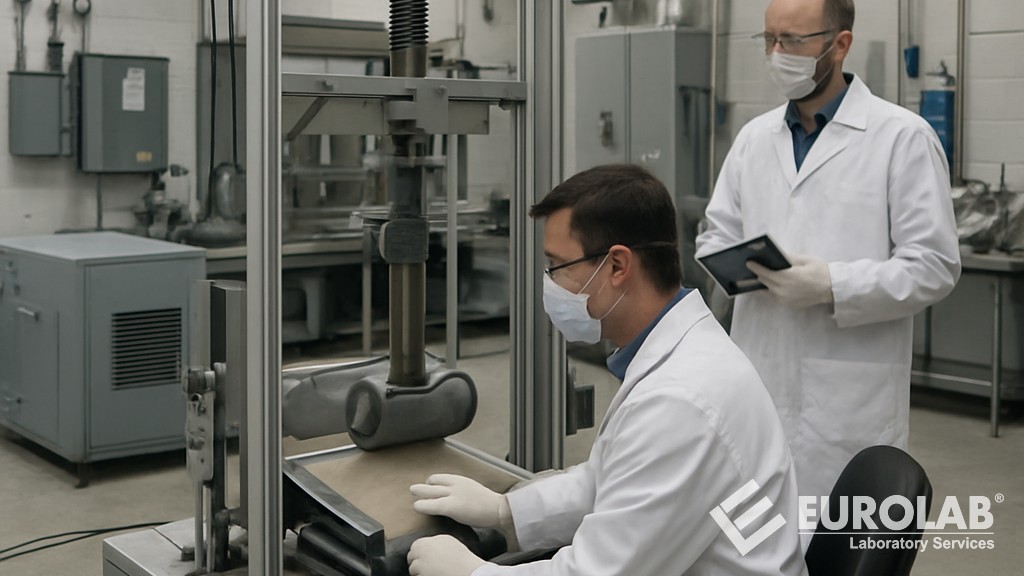
The Chrysler LP-463KB standard incorporates numerous specialized test methods. These standards are part of Chrysler’s (now Stellantis’) broader materials engineering requirements to ensure that interior materials withstand wear, environmental effects, mechanical stress, and daily use in vehicles.
These procedures help manufacturers and suppliers qualify materials for durability, abrasion resistance, fold strength, tear strength, and other performance aspects critical to long-term in-vehicle quality. They are widely referenced in automotive testing laboratories, accreditation scopes, and supplier quality requirements.
Common applications include:
- Seat fabrics and upholstery
- Door trim panels
- Ceiling panels and pillar coverings
- Floor coverings and mats
The main test methods described in the Chrysler LP-463KB standard are as follows:
- LP-463KB-02 Tensile strength and elongation of soft flooring materials: A tensile test to measure how much force a material can withstand and how much it elongates before breaking.
- LP-463KB-03 Tear strength of soft upholstery materials: Evaluates resistance to tearing, typically using tongue, trapezoid, or trouser methods.
- LP-463KB-06 Abrasion resistance/friction resistance of soft upholstery materials: Wyzenbeek or oscillation roller methods are commonly used to simulate friction and abrasion, typically caused by clothing and passengers.
- LP-463KB-12 Weather resistance test of automotive-grade upholstery materials: Accelerated weathering to simulate degradation from sunlight, heat, and humidity.
- LP-463KB-13 Folding Strength: An MIT-type or similar folding tester evaluates how many folding cycles a material can withstand before cracking or failing.
- LP-463KB-21 Wear resistance of flooring materials: Taber method uses a rotary abrasion platform for wear testing.
- LP-463KB-22 Pile locking test: For carpets, measures how securely the fibers are held in place.
- LP-463KB-28 Cold compression folding or cold folding test: Evaluates cracking or damage when materials are folded/compressed at low temperatures, typically method A, B, or C, simulating winter conditions.
- LP-463KB-37 Stain removal test: Evaluates cleanability after staining.
This standard also includes other methods (e.g., the LP-463KB-34 standard for antimicrobial testing or variations), but the primary focus is on mechanical durability and environmental resistance.
These tests ensure compliance with original equipment manufacturer requirements for the longevity, safety, and customer satisfaction of the interior. Materials that fail these tests may crack, fade, wear prematurely, or lose their appearance. These problems can lead to warranty claims or recalls.
Chrysler LP-463KB test methods are extremely important in the automotive industry for a variety of interconnected reasons. These standardized laboratory procedures ensure that soft furnishing materials (such as fabrics, vinyls, leathers, coated textiles, carpets, and upholstery) reliably perform under real-world conditions throughout a vehicle's typical 10-15 year lifespan.
These testing methods are considered important for the following reasons:
- Ensuring long-term durability and wear resistance: Interior materials are subjected to constant mechanical stress from passengers: repeated sitting/standing, friction from clothing/belts/bags, folding and scratching of seats/door panels. This necessitates specific tests, particularly regarding the following:
- LP-463KB-06 (oscillating roller/Wyzenbeek wear)
- LP-463KB-21 (Taber rotary wear)
- LP-463KB-03 (tear resistance)
- LP-463KB-13 (folding strength)
- LP-463KB-28 (cold compression/folding cracking)
These tests simulate years of accelerated use. Passing these tests prevents premature wear, pilling, tearing, or cracking—common complaints that lead to perceived poor quality.
- Preventing costly warranty claims and recalls: Automakers like Chrysler (now Stellantis) face significant expense due to interior defects. Materials that fade, crack in cold weather, lose strength, or wear rapidly lead to customer dissatisfaction, warranty repairs, or even class-action lawsuits. These tests help suppliers and original equipment manufacturers identify weaknesses early, reducing field failures and associated costs.
- Supplier qualification and material approval: These testing methods are part of mandatory material approval processes for first and second-tier suppliers. Suppliers must demonstrate compliance before parts enter production. Non-compliance can disqualify a material or supplier.
- Simulation of challenging real-world environmental and usage conditions: Vehicles are exposed to extreme temperatures (from -40 degrees Celsius in winter to +80 degrees Celsius in summer), UV rays, humidity, and chemical contact (sunscreen, spills, cleaners). Relevant tests predict deterioration, color fastness, and cracking. This is vital, especially for regions with harsh climates.
- Enhancing customer satisfaction and brand reputation: Modern buyers expect premium interiors that look and feel like new for years to come. Durable, fade-resistant, easy-to-clean, and comfortable materials contribute to positive reviews, higher resale value, and stronger brand loyalty.
In short, these test methods are not merely procedures, but engineering measures that protect against real-world failure modes, control quality costs, meet original equipment manufacturer requirements, and ensure vehicles last longer over time. For suppliers, passing these tests is often a prerequisite.
For many years, our organization, with its competent and experienced staff, has been understanding the needs of its customers, providing the advanced testing services they require, and assisting them in the establishment, implementation, and improvement of management systems. Within this framework, we also provide testing services compliant with the Chrysler LP-463KB standard.



