

The standard “SAE J948 Test Method for Determining Abrasion Resistance and Snagging Condition of Automotive Body Fabric, Vinyl, and Leather” developed by the American Society of Automotive Engineers (SAE) describes the test methods used to determine the snagging and abrasion resistance of automotive body fabric, vinyl, and leather.
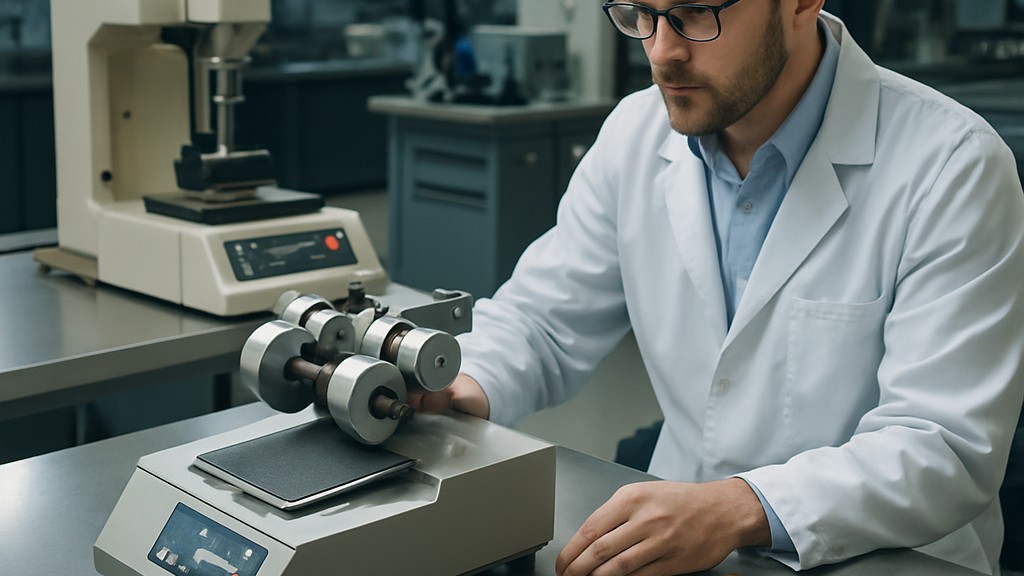
In the fast-paced world of automotive manufacturing, where vehicles are expected to withstand years of daily use, the durability of interior materials is paramount. From the seats occupied by passengers on long journeys to the door panels they rub against when getting in and out, every fabric, vinyl, and leather component must withstand wear, abrasion, and potential snags without compromising aesthetics or safety. This is where SAE J948 comes in, a standardized test method that provides a reliable framework for evaluating the resistance of these materials to wear and tear.
This standard, regularly updated to reflect advances in materials and testing technology, has become an indispensable tool for automakers, suppliers and researchers.
The SAE J948 standard contains precise procedures for evaluating the durability of automotive interior materials under simulated real-world stresses. This standard focuses on two primary failure modes:
This standard is specifically tailored to automotive applications and therefore differs from more general textile standards. It applies to woven or knitted body fabrics, vinyl-covered fabrics, and leather used in vehicle interiors. Unlike more extensive abrasion tests, SAE J948 also includes automotive-specific considerations, such as the unique pressures from seat adjustments, cargo handling, and even pet claws in pet-friendly vehicles.
The SAE J948 standard utilizes the Taber abrader, a rotating platform abrasion tester that essentially simulates multi-directional wear. This method is simple yet rigorous, providing repeatable results with minimal variability. The basic steps of this method are as follows:
For body fabrics, a special snagging device inserts hooks or pins into the abrasive path for snagging assessment. This test assesses thread integrity, and results are graded from 1 (severe snagging) to 5 (no snagging), helping to identify materials prone to pilling or sagging like ladders.
Safety notes in this standard emphasize proper ventilation for dust-generating tests and calibration every 1.000 cycles to maintain accuracy. Laboratories should report environmental conditions (e.g., 23 degrees Celsius and 50 percent humidity) to ensure comparability.
The SAE J948 standard isn't just a laboratory exercise; it's also a practical lifeline for design and procurement teams. Several automakers use it to qualify suppliers and ensure interiors meet warranty standards (e.g., no visible wear after 80.000 km). In quality control, it's used in series testing to detect defects in the early stages of production.
Beyond vehicles, this standard also impacts related industries. For example, aviation seats implement durability protocols, while furniture manufacturers adapt it for high-use upholstery. Furthermore, with moves toward electrification and autonomy, SAE J948 is helping to examine smart fabrics equipped with sensors where wear can compromise functionality. During the proliferation of vegan leathers (plant-based alternatives to animal hides), this standard has helped validate performance, demonstrating that some bio-based vinyls are excellent at snagging resistance but require reinforcement for wear.
In short, the SAE J948 standard plays a key role in risk reduction. It fosters innovation by establishing a benchmark. Materials that pass the test can be labeled "SAE compliant" and increase consumer confidence.
Ultimately, the SAE J948 standard exemplifies the meticulous engineering that underpins modern mobility. By standardizing wear and tear tests, it ensures that the tactile pleasure of premium leather seating or the practicality of durable vinyl withstands the rigors of the road. As the automotive world evolves, so too does this standard.
Our organization, which has been operating for many years and meticulously follows global developments in science and technology, employs a team of experienced professionals and a broad infrastructure to conduct testing, measurement, and analysis in a wide range of areas for businesses across all sectors. In this context, we also provide testing services in accordance with the standard "SAE J948 Test Method for Determining the Abrasion Resistance and Wearability of Automotive Body Fabric, Vinyl, and Leather."
To get an appointment, to get more detailed information or to request an evaluation, you can ask us to fill in our form and reach you.

