

The "MBN 50306 Insulated cables for automotive applications" standard, published by the Mercedes-Benz Group, outlines stringent requirements for insulated cables used in automotive applications.
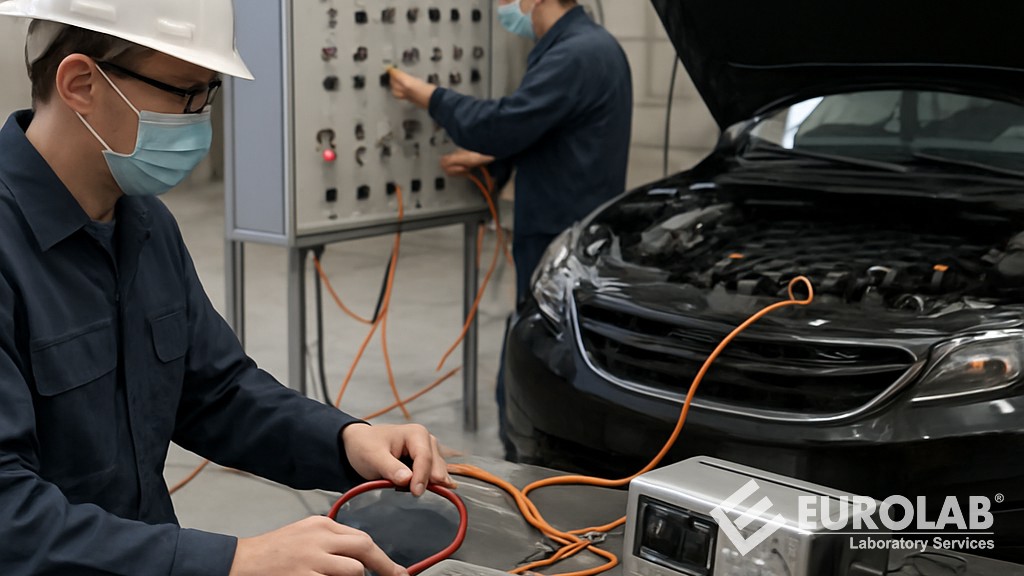
In the high-risk world of automotive engineering, where vehicles must withstand extreme temperatures, vibrations, and environmental impacts, the reliability of electrical wiring is paramount. Mercedes-Benz's MBN 50306 standard, a comprehensive guide for automotive wiring insulation, ensures that wiring harnesses in luxury vehicles or electric models perform flawlessly under demanding conditions.
Mercedes-Benz has long been a pioneer in automotive innovation, and the standards it develops reflect its commitment to quality and safety that exceeds global norms. The MBN 50306 standard specifically addresses the design, materials, and testing of insulated electrical cables for low-voltage systems in passenger cars, trucks, and commercial vehicles.
This standard has undergone several revisions to keep pace with technological advancements. The latest versions emphasize reduced wall thickness, improved flame retardancy, and superior resistance to abrasion and chemicals.
The MBN 50306 standard essentially aims to reduce risks such as short circuits, fires, or signal failures that could jeopardize vehicle safety. In an era where vehicles have thousands of meters of wiring, these features prevent costly recalls and guarantee compliance with relevant regulations for electric vehicle safety.
The MBN 50306 standard is divided into multiple sections, each targeting specific cable types and performance criteria. A breakdown of its key elements is as follows:
These specifications closely overlap with complementary standards such as ISO 6722-1 (general wiring) and LV 112 (thin-walled variants), but the MBN 50306 standard adds stricter Mercedes-specific requirements, such as enhanced vibration tolerance for off-road models.
Cables compliant with the MBN 50306 standard are an integral part of the following:
Major suppliers produce MBN 50306 certified cables, often customizing them to Mercedes' new concept, which pushes the boundaries of efficiency with ultra-light cabling. In electric vehicles, where cable weight directly impacts range, these standards have resulted in up to a 20% reduction in harness mass compared to older designs.
Meanwhile, the MBN 50306 standard, despite its robustness, is facing pressure from the green revolution. Traditional PVC insulation raises environmental concerns due to non-biodegradable waste, prompting Mercedes to explore bio-based alternatives. The resulting revisions may include conductive polymers for lighter and smarter cabling that integrates sensors directly into the insulation.
In short, the MBN 50306 standard not only prevents failures but also fosters innovation in an electric world. As autonomous driving and connectivity deepen, the MBN 50306 standard will see new revisions. For today, the quiet sensitivity of a well-insulated cable and its MBN 50306 certification provide users with peace of mind.
In conclusion, the MBN 50306 standard is critical for the reliability, safety, and performance of electrical systems in Mercedes-Benz vehicles. This standard is considered important for the following reasons:
For many years, our organization, with its competent and experienced staff, has been understanding the needs of its customers, providing the advanced testing services they require, and assisting in the establishment, implementation, and improvement of management systems. Within this framework, we also provide testing services to businesses in accordance with the "MBN 50306 Insulated cables for automotive applications" standard.
To get an appointment, to get more detailed information or to request an evaluation, you can ask us to fill in our form and reach you.

