

Developed by BMW, a leading German multinational company in the automotive sector, the “BMW S 60300 § 3.11 Water absorption test” standard is one of the internal material standards used by the BMW Group in its automotive supply chain. This standard specifically defines test procedures and acceptable tolerances for flexible foam materials. Subsection BMW S 60300 § 3.11 describes the test methods for flexible foam materials and components manufactured from them.
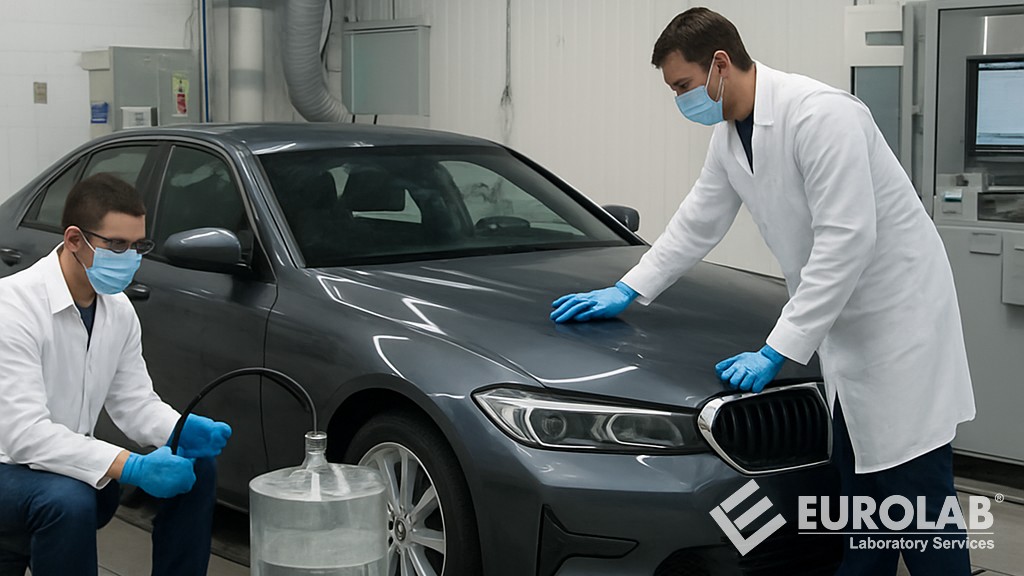
The soft foams (polyurethane, EPDM-based foams) used in the interior upholstery, seats, insulation, seals, and similar components of BMW vehicles must be durable, comfortable, and resistant to environmental influences. The BMW S 60300 standard mandates that these materials undergo various physical and chemical tests. These tests include, in particular:
This standard is part of BMW's quality management system and requires advanced laboratory testing for suppliers to certify their materials.
This standard's subsection “BMW S 60300 § 3.11 Water absorption test” regulates the water absorption properties of soft foam materials. This section is directly based on the standard “DIN 53428 Testing of cellular materials - Determination of resistance to liquids, vapors, gases and solids”. This German standard is a test method used to determine the resistance of cellular (foam) materials to liquids, vapors, gases and solids. Specifically for water absorption testing:
This method is adapted and applied in the BMW S 60300 § 3.11 standard. The purpose is as follows:
This standard is frequently referenced, especially for the following materials:
Suppliers (e.g., foam manufacturers) submit test reports to certify their materials against this standard.
The main reason why the BMW S 60300 § 3.11 standard is mandatory is to guarantee that soft foam materials (especially polyurethane foams and EPDM-based seals) used in the interior and exterior components of vehicles provide reliable long-term performance against moisture, water, and humid environments. In the automotive industry, especially in the premium segment, this test is considered critical for the following reasons:
If the foam material absorbs too much water:
BMW vehicles are designed to last 10-15 years and cover 200.000 km. During this time, the seals, insulation, and seat cushioning must remain in perfect condition.
In conclusion, the BMW S 60300 § 3.11 standard is a quality benchmark that directly affects the long-term comfort, odor-free nature, leak-proofness, hygiene, and reliability of the vehicle.
For many years, our organization, with its competent and experienced team, has been understanding the needs of its clients, providing the advanced testing services they require, and assisting them in the establishment, implementation, and improvement of management systems. Within this framework, we also provide testing services in accordance with the BMW S 60300 standard.
To get an appointment, to get more detailed information or to request an evaluation, you can ask us to fill in our form and reach you.

