

The standard “Ford WSS-M2P190-B1 Paint performance, visible/invisible interior parts metal substrates” developed by Ford Motor Company (FORD) describes the performance requirements for decorative coatings or finishes such as paint, autophoretic, electroplating and powder coating on metal surfaces for interior use.
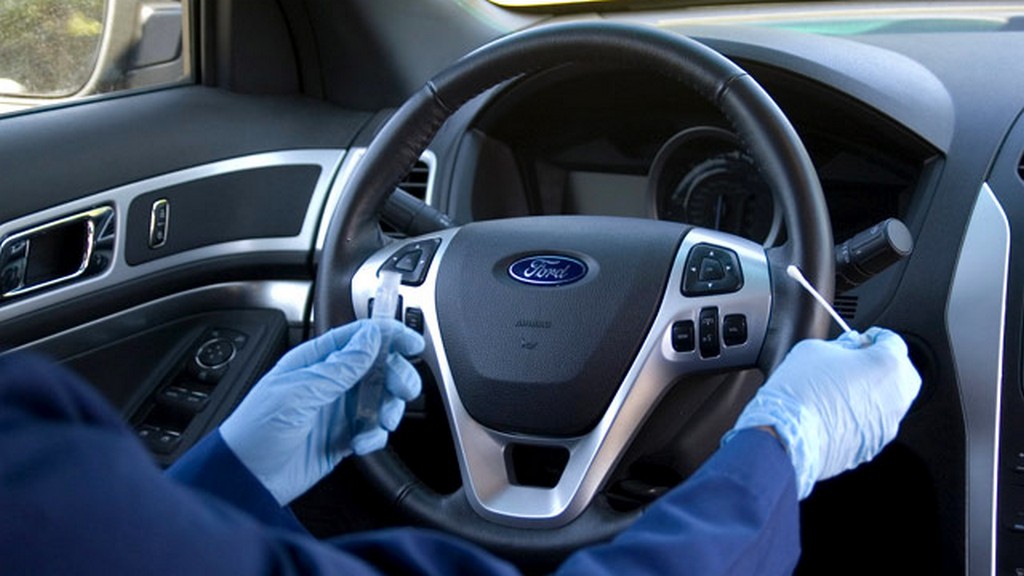
This specification is published to define performance requirements for various interior applications such as seat rails, cargo packs, speaker grilles, brake pedals, display enclosures, and shift controls. This specification is not for paint-over-chrome applications.
This specification is performance based and does not have approved sources.
Material specification requirements are used for initial qualification of materials. All parts must also meet the appropriate part performance specification and subsystem design specification. Testing must be performed on the parts. Sample size and test requirements are included in the tables provided in the standard. A visible component is defined as a component that requires color approval and will undergo an after-action inspection process. A visible component is also defined as a part that is not color approved and is visible to the end customer while seated in or exiting the vehicle during normal operation. This includes, but is not limited to, components located in interior compartments and visible when a vehicle component is operated.
Tests should be performed on actual components processed by the manufacturing or production intent process. When this is not possible, panels may be used in the manufacturing or production intent process. Panels should be used when the part geometry does not allow testing to be performed. Panels should be approved by the materials engineer prior to testing. When panels are used in place of actual components, this should be clearly stated in the laboratory test report.
The substrate shall be cold rolled steel, hot rolled steel, aluminum and magnesium or as specified in the engineering document.
The surface to be coated shall be cleaned by an acceptable automated process, e.g. cleaning line, to remove stamping oils, dust, dirt or debris. A conversion coating may be required to meet the test requirements of this standard.
The film thickness of all applicators shall be sufficient to meet the performance and appearance requirements of this standard. The minimum film thickness shall be stated in the print. The film thickness of all test specimens shall be reported in the laboratory report. The minimums given in the standard shall be valid unless otherwise supported by data and accepted by the materials engineer.
Test panels or test samples shall be aged at 72 degrees plus/minus 23 degrees for at least 2 hours prior to testing.
Repaired parts must also meet the requirements of this standard. All repair materials and processes used must be approved by the affected product engineering office. Maximum film thickness and maximum number of repairs are specified in a mutually agreed control plan.
In terms of appearance, color, gloss, tactile effect and surface finish must be consistent with the approved corporate design master sample. The coating must be free of craters, pinholes, solvent bursts, abnormal roughness, excessive flow or any other harmful defects.
All materials must be equivalent in all properties to the material for which approval was initially granted. Before making any changes to the initially approved material, regardless of whether such changes affect the ability of the material to meet specification requirements, the supplier must notify the affected activities, a completed supplier engineering approval request, and any proposed changes (with reasons).
Meanwhile, regulations or company-imposed substance restrictions apply to the materials covered in this standard.
Among the numerous tests, measurements, analyses and evaluation studies that our organization has carried out for businesses in various sectors, it also provides testing services defined in the “Ford WSS-M2P190-B1 Paint performance, visible/invisible interior parts metal substrates” standard with its trained and expert staff and advanced technological equipment.
To get an appointment, to get more detailed information or to request an evaluation, you can ask us to fill in our form and reach you.

