

The Toyota TSH3131G Paint Film Quality Standard for Painted Exterior Parts, a Toyota engineering standard, covers the quality requirements and performance criteria for paint films (coatings) applied to automotive exterior parts. This standard ensures that painted exterior components such as bumpers, body panels, trim pieces, mirrors, and other visible exterior elements maintain their durability, appearance, and resistance to environmental factors throughout the vehicle's lifespan.
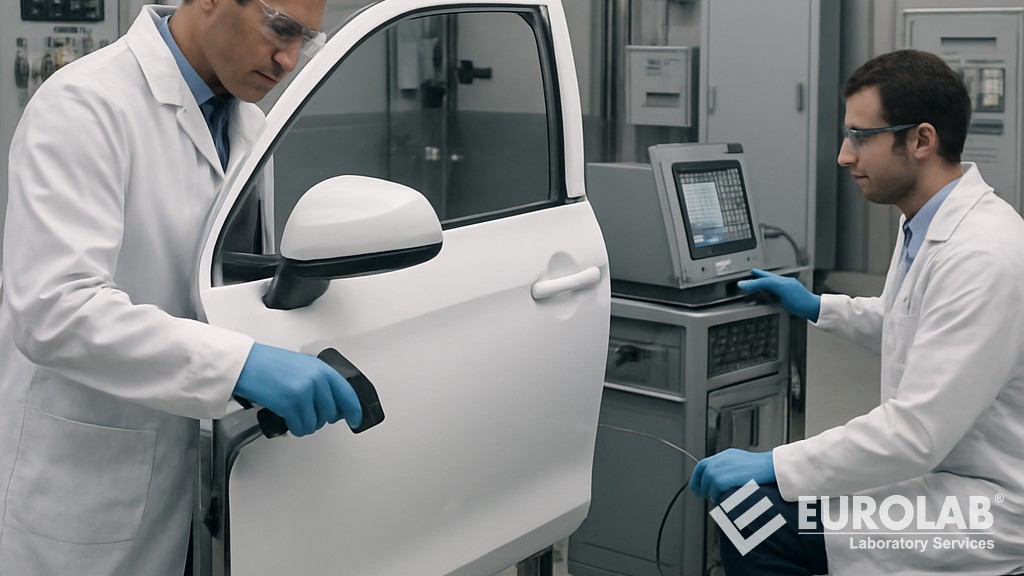
This standard focuses on painted exterior parts exposed to harsh outdoor conditions, including UV radiation, extreme weather, chemicals (such as road salt, bird droppings, or car wash detergents), abrasion, and mechanical impacts. It defines acceptance criteria for paint performance to help suppliers and Toyota’s manufacturing partners deliver consistent, high-quality finishes that align with Toyota’s reputation for long-term vehicle reliability and aesthetics.
The TSH3131G standard is part of Toyota’s broader set of paint and coating specifications. It complements related standards such as:
While the TSH3130G standard handles interior decorative coatings and prints, the TSH3131G standard is specifically designed for more demanding outdoor environments.
Toyota's paint quality standards, like this one, typically evaluate properties through rigorous testing. Common test categories in such specifications include:
These tests are evaluated using methods that comply with international standards but are customized to Toyota's requirements.
Suppliers providing painted exterior components to Toyota are required to comply with the TSH3131G standard. Independent testing laboratories offer verification services to confirm that coatings meet this specification. This helps prevent issues such as premature fading, peeling, or corrosion that could lead to warranty claims or reduced customer satisfaction.
This standard reflects Toyota's commitment to durability and quality in vehicle exteriors, contributing to the brand's high resale value and owner loyalty.
In short, the primary purpose of the Toyota TSH3131G standard is to ensure that painted exterior automotive parts meet Toyota's stringent requirements in the following areas:
Exterior automotive parts are constantly exposed to sunlight, rain, temperature variations, chemicals, and mechanical wear. Therefore, this standard specifies a series of tests to verify that paint coatings remain stable and visually acceptable under these conditions.
The TSH3131G standard applies to exterior components that receive decorative or protective coatings. Typical applications include:
This standard is typically used by automotive suppliers and testing laboratories to certify that coating systems used on Toyota vehicles meet the required performance levels.
The TSH3131G standard evaluates paint film using various performance test categories:
These checks ensure that painted parts meet both aesthetic and functional expectations.
These features prevent the paint from peeling or cracking during vehicle operation.
Accelerated weather resistance tests simulate years of outdoor exposure in a controlled laboratory environment.
Therefore, this standard requires chemical resistance and stain resistance evaluation tests to ensure that coatings maintain their integrity and appearance.
The Toyota TSH3131G standard plays a key role in ensuring consistent coating performance across the company's global supply chain. This standard is considered important for the following reasons:
Suppliers must frequently demonstrate compliance with this standard in their material qualification and production verification processes.
In summary, the Toyota TSH3131G standard is a coating performance specification that defines the quality requirements and test procedures for paint films used on automotive exterior parts. Through evaluations of appearance, adhesion, durability, weather resistance, and chemical stability, this standard ensures that coated components maintain both functional protection and visual quality throughout the vehicle's lifespan.
For many years, our organization, with its competent and experienced staff, has been understanding the needs of its customers, providing the advanced testing services they require, and assisting them in the establishment, implementation, and improvement of management systems. Within this framework, we also provide testing services compliant with the Toyota TSH3131G standard.
To get an appointment, to get more detailed information or to request an evaluation, you can ask us to fill in our form and reach you.

