

The “Ford DVM-0055 Abrex Abrasion Test” standard, developed by Ford Motor Company (Ford), describes a test method used to evaluate the abrasion resistance of painted, coated, printed, and decorative automotive interior surfaces. This method simulates the repeated friction and contact created by occupants during normal vehicle use, such as touching buttons, switches, frames, trim panels, steering wheel controls, and other high-contact interior components.
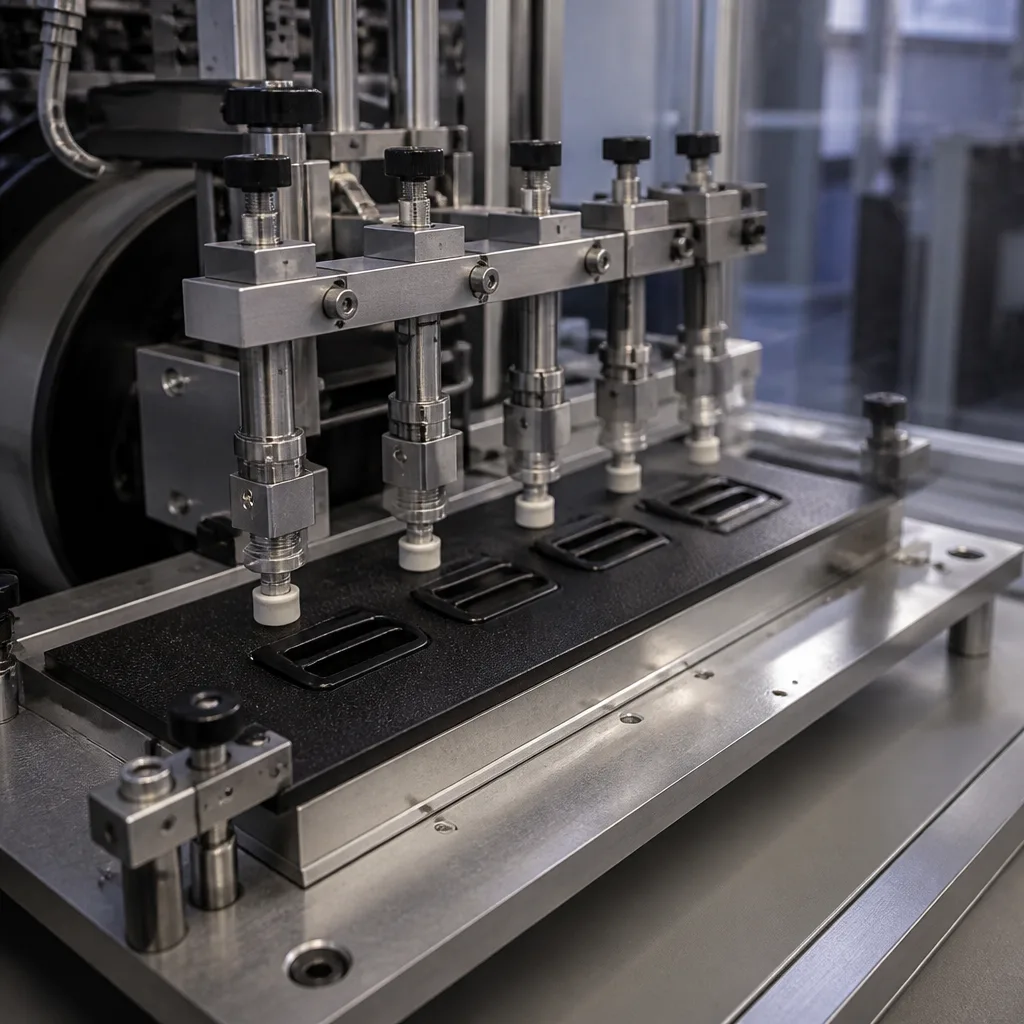
This test uses the Abrex wear machine, a specialized device designed to more realistically replicate the mechanical movement of human fingertips and hands than traditional wear tests. The test helps determine whether coatings, graphics, symbols, and painted surfaces can maintain their appearance and functionality throughout the vehicle's lifespan.
The primary purposes of the Ford DVM-0055 standard are as follows:
The Abrex system simulates human fingertip wear through a controlled sequence of movements:
This technology has been specifically developed to mimic real human touch patterns and is based on the wear concepts described in the IEC/DIN EN 60068-2-70 standard, which addresses wear caused by fingers and hands.
While the exact requirements vary depending on the Ford material specification, this test generally checks for the following:
Some Ford interior paint specifications allow high-contact areas to be tested up to 50 cycles and low-contact areas up to 30 cycles, with no paint abrasion permitted. Color change and gloss retention are also evaluated.
The Ford DVM-0055 standard is commonly used in the following areas:
The following assessments are usually made after the test:
A material generally passes the test when it shows minimal visual deterioration after a specified number of cycles and retains its functional and aesthetic properties.
Compared to traditional wear testing methods such as Crockmeter or Taber wear testing, Abrex wear testing offers the following:
The Ford DVM-0055 standard is closely related to the following standards:
The Ford DVM-0055 standard is required because it evaluates how well the interior surfaces of a car withstand the repeated friction, contact, and use they are subjected to throughout the life of a vehicle. Interior components such as buttons, switches, steering wheel controls, center console trim, and decorative panels are touched thousands of times by vehicle occupants, making wear resistance a critical quality requirement.
Without adequate wear resistance, internal components can quickly appear worn and aged.
The Abrex test ensures these markings remain visible and legible after repeated use. If the symbols wear down, driving the vehicle can become more difficult and potentially less safe.
In conclusion, the Ford DVM-0055 standard is an important durability standard as it verifies that interior trims, paints, and printed markings can withstand years of repeated human contact without excessive wear. By simulating realistic fingertip wear, the test helps ensure durability, functionality, appearance preservation, customer satisfaction, and compliance with quality requirements for automotive interior materials.
For many years, our organization, with its competent and experienced team, has been understanding the needs of its customers, providing the advanced testing services they require, and assisting them in the establishment, implementation, and improvement of management systems. Within this framework, we also provide testing services compliant with the Ford DVM-0055 standard.
To get an appointment, to get more detailed information or to request an evaluation, you can ask us to fill in our form and reach you.

