

Developed by BMW, a leading German multinational company in the automotive sector, the “BMW PR 397 Resistance to Corrosion” standard describes the requirements and test methods necessary to evaluate the corrosion resistance of textiles, foams, coatings, plastics, and other organic-based parts used in vehicles.
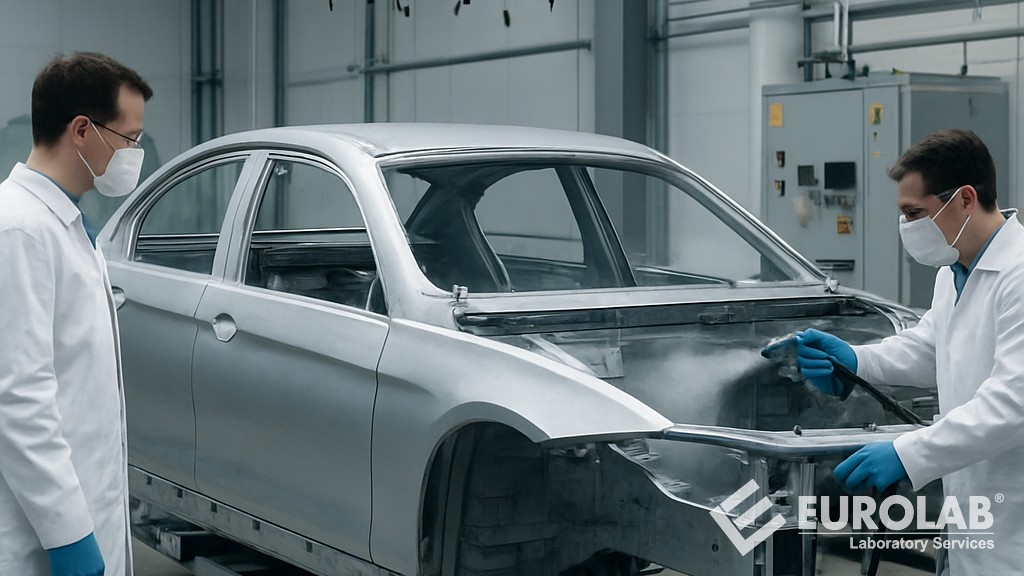
This standard examines how resistant materials are to biological degradation, mold growth, mildew, and decay, particularly under the humid and hot conditions typical of vehicle interiors (e.g., seats, headliners, carpets, door panels, or artificial leather surfaces). This is crucial for long-term durability, hygiene, odor prevention, and maintaining aesthetic and functional quality in various climates.
The key considerations typically addressed in these and similar standards are as follows:
This standard is often combined with or associated with odor emission tests.
In short, this standard tests how well interior materials resist biological degradation. Biological degradation mainly includes: mold growth, mildew, fungal attack, and general decay or decomposition of organic components (e.g., in fabrics, foams, natural fibers, coatings, or bio-based composites).
This occurs over years of use under hot and humid conditions that simulate real-world vehicle cabin environments. Poor performance leads to musty odors, visible mold spots, material weakening or deterioration—all significant quality issues in premium automobiles.
Accredited testing laboratories conduct these assessments using controlled environment chambers, microbial inoculations, and standardized evaluation criteria. The aim is to ensure that components meet the quality requirements set by BMW for its supplier parts before being approved for production vehicles.
In the automotive industry, materials in cabins are exposed to moisture from passengers, spills, or condensation, as well as heat from sunlight or heating, ventilation, and air conditioning (HVAC) systems. Poor corrosion resistance can lead to:
The BMW PR 397 standard helps prevent these problems by defining clear pass/fail thresholds.
For those relating to supplier requirements, material testing, or specific component verification according to BMW standards, the BMW PR 397 standard is an important reference for ensuring bioresistance.
In short, this standard is important primarily because it directly addresses the long-term durability and quality of materials in vehicle interiors, where biological degradation can lead to serious practical and commercial problems. The main reasons why this standard is important are as follows:
In conclusion, the BMW PR 397 standard is more than just a technical procedure. By protecting against one of the most noticeable and bothersome forms of interior wear, it helps maintain customer satisfaction and reduce aftermarket costs. Suppliers must pass this test (along with relevant characteristics such as odor/emission tests) to obtain part approval.
For many years, our organization, with its competent and experienced team, has been understanding the needs of its clients, providing the advanced testing services they require, and assisting them in the establishment, implementation, and improvement of management systems. Within this framework, we also provide testing services in accordance with the BMW PR 397 standard.
To get an appointment, to get more detailed information or to request an evaluation, you can ask us to fill in our form and reach you.

