SAE J588 Signal lamps designed for use on motor vehicles with a total width of less than 2032 mm.
The SAE J588 standard, developed by the American Society of Automotive Engineers (SAE), outlines test procedures, requirements, and guidelines for turn signals designed for use in vehicles with a total width of less than 2032 mm.
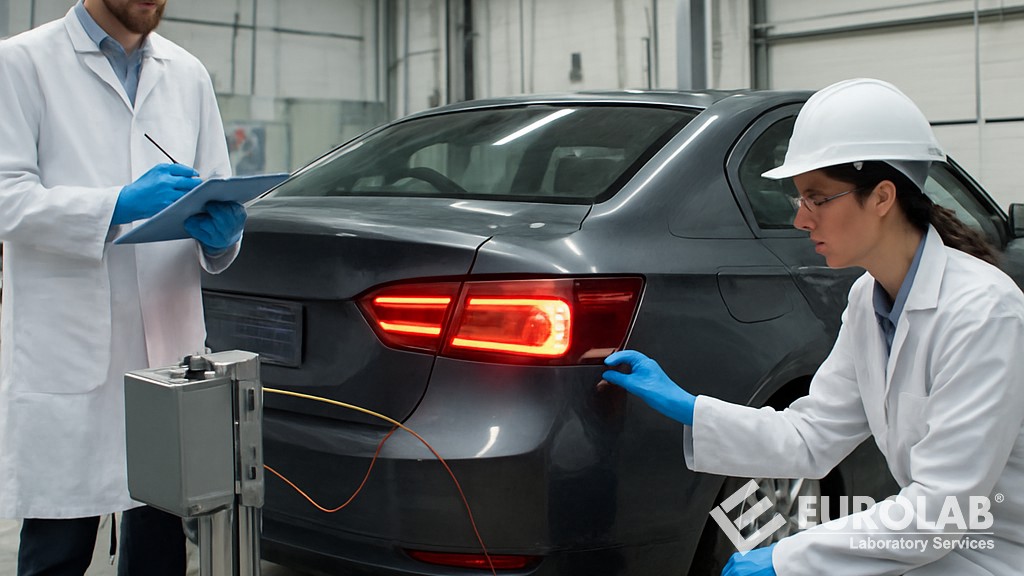
The SAE J588 standard is a long-standing automotive lighting specification that defines the requirements for signal lamps used in motor vehicles. The latest revision of this continuously updated standard reflects modern lighting technologies and safety expectations.
The SAE J588 standard applies specifically to the following:
- Signal lights used in vehicles
- Vehicles with a width of less than 2032 mm
- Both original equipment and replacement lighting systems.
This standard aims to ensure consistent and safe operation for signal lights by providing the following:
- Test procedures
- Performance requirements
- Design guidelines
The basic technical requirements in this standard are defined as follows:
- Photometric performance:
- Specifies the light intensity levels (minimum and maximum).
- It ensures that the signals are visible in both day and night conditions.
- It defines angular visibility zones (left, right, up, down).
- Color requirements:
- The signals should emit amber (yellow) light.
- Color boundaries are defined to ensure recognition between regions.
- Flashing characteristics:
- It defines the flashing rate and duty cycle.
- It provides consistent signaling that is recognizable to other drivers.
- Environmental and durability tests:
- Resistance to temperature changes.
- Resistance to moisture and corrosion.
- Resistance to vibration and mechanical shock.
- Assembly and positioning:
- Specifies the correct mounting height and spacing.
- It provides visibility from multiple viewpoints.
The SAE J588 standard includes the following standardized laboratory and field tests:
- Photometric tests using calibrated light measurement equipment.
- Environmental simulation tests (humidity, dust, thermal cycling).
- Operational life tests for durability and reliability.
These tests ensure that the lighting systems perform consistently throughout the vehicle's lifespan.
This standard has undergone many revisions and generally reflects the following:
- Transition from incandescent bulbs to LED technology
- Improved visibility and safety research.
- Compliance with global regulations and vehicle design trends.
Despite the updates, its core purpose (providing clear and reliable turn signals) remains unchanged.
The SAE J588 standard is used in the following:
- Passenger cars
- Light commercial vehicles
- Automotive lighting system design and verification.
- Supplier qualification for lighting components
Essentially, the SAE J588 standard guarantees that the signals meet the following criteria:
- Bright enough to be seen
- Distinguishable from other lights.
- Reliable under all conditions
The SAE J588 standard is essential because it directly impacts road safety, vehicle reliability, and compliance with regulations. This standard is considered important for the following reasons:
- It ensures road safety: Signal lights communicate the driver's intentions. If a signal is too dim, poorly colored, or inconsistent, other drivers may misinterpret these actions. This standard ensures that signal lights are visible in all lighting and weather conditions by defining minimum light intensity, color, and visibility angles. By standardizing flash speed and signal patterns, it prevents confusion during lane changes, turns, or merges, and reduces accidents.
- It ensures standardization among vehicles: Vehicles from different manufacturers must use predictable and universally understood lighting systems. This standard establishes a common benchmark that ensures every turn signal behaves similarly, regardless of make or type of vehicle. Standardization simplifies testing, production, and regulatory approval.
- It ensures durability and reliability: This standard specifies environmental tests: vibration, humidity, temperature, and corrosion. This ensures that the signal lights function correctly throughout the vehicle's lifespan, even in harsh climates or on rough roads. Without these requirements, the lights could fail and create safety hazards.
- It supports regulatory compliance: This standard is frequently referenced in official safety regulations such as FMVSS 108. Compliance ensures that vehicles can be legally sold and operated in different regions. It also provides manufacturers and suppliers with a clear framework for fulfilling their legal obligations.
- It facilitates quality assurance in production: By defining test methods and photometric requirements, this standard enables manufacturers to consistently verify their products. It reduces the risk of defective lighting systems entering the market.
In short, without the SAE J588 standard,
- Signal lights can be unreliable, inconsistent, or unsafe.
- Traffic accidents increase due to miscommunication.
- Manufacturers face higher testing costs and regulatory hurdles.
The goal of the SAE J588 standard is to make vehicles safer, more reliable, and globally standardized.
In conclusion, the SAE J588 standard is a fundamental standard in automotive lighting, ensuring that signal lamps are visible, reliable, and universally recognizable. By defining stringent photometric, environmental, and operational requirements, it plays a vital role in vehicle safety, regulatory compliance, and product quality.
For many years, our organization, with its competent and experienced team, has been understanding the needs of its clients, providing the advanced testing services they require, and assisting them in the establishment, implementation, and improvement of management systems. Within this framework, we also provide testing services compliant with the SAE J588 standard.



