

The “PSA D27 1389 Artificial Aging of Paint Coatings, Rubbers and Plastics by Air Gauge” standard, developed by the French car manufacturer PSA Group (now part of Stellantis), defines the conditions to be observed to determine a material's resistance to the effects of an artificial light source under specific water spray and temperature conditions. This method aims to simulate the aging of materials exposed to light and external factors. This method is applicable to paint coatings, as well as self-colored rubber and plastic exterior parts, whether painted or not. It is also applicable to sealants, tarpaulins, and glass.
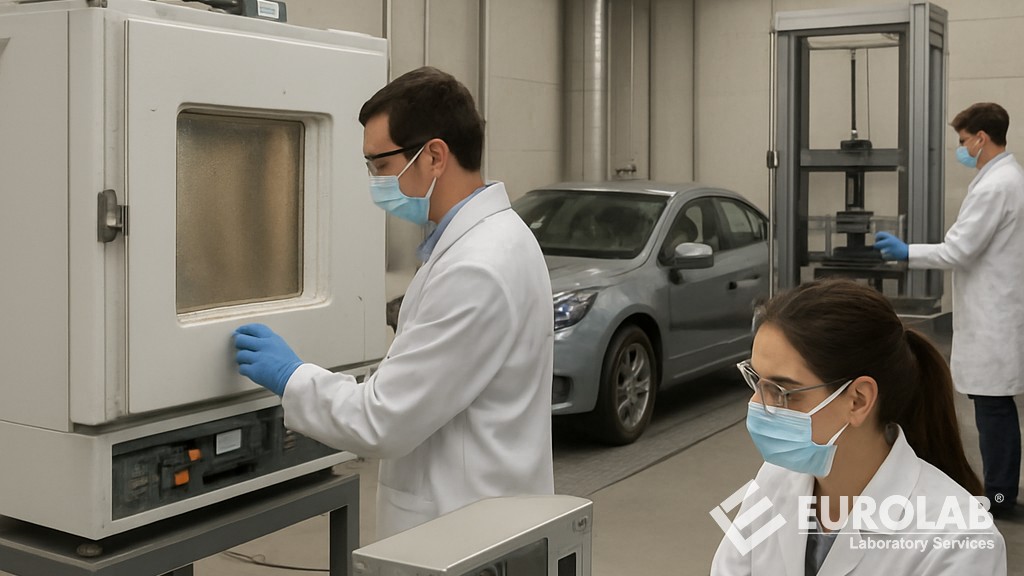
The test consists of subjecting one or more test samples of the material to a simulated sunlight cycle with an intermittent spray simulating rain, combined with a filtered xenon lamp. Deterioration is then assessed visually, by colorimetric measurements, or by other methods, by comparison with an unexposed reference test sample.
In the high-risk automotive manufacturing world, where vehicles must be exposed to sunlight, rain, temperature fluctuations, and pollutants for years, ensuring the longevity of exterior coatings is paramount. The PSA D27 1389 standard is a specialized test standard designed to simulate the harsh effects of weathering on paint coatings, rubbers, and plastics. Known as artificial aging, this standard mimics accelerated environmental degradation to predict how automotive components will perform over time. By exposing materials to intense UV radiation, humidity cycles, and temperature fluctuations in a controlled chamber, manufacturers can identify weaknesses early and save millions of dollars on recalls and rework.
The PSA D27 1389 standard is part of a broader suite of PSA standards that governs quality control of vehicles. These tests are mandatory for suppliers aiming to meet original equipment manufacturer specifications, ensuring everything from vehicle body panels to interior trim can withstand harsh real-world conditions. With electric vehicles and sustainable materials reshaping the industry today, such standards remain a cornerstone of reliability.
The weatherometer used in these tests is an advanced environmental simulation device, a xenon arc lamp chamber that more accurately mimics the sun's ultraviolet (UV) rays than traditional carbon arc or fluorescent methods. The PSA D27 1389 standard includes a protocol in which test specimens (painted metal, rubber seals, or plastic parts) are exposed to cycles of light, darkness, water spray, and controlled humidity.
The basic parameters are:
This artificial aging accelerates photooxidation, hydrolysis, and thermal stress processes that degrade polymers in paints and elastomers. For example, UV light breaks down molecular bonds in acrylic or polyurethane finishes, causing yellowing or brittleness. The beauty of this standard lies in its repeatability: results are measurable and comparable across laboratories, allowing global suppliers to verify compliance without decades of field trials.
For PSA group suppliers, passing the PSA D27 1389 standard is an undeniable necessity. Failure can lead to delamination on the hood after two years in the Mediterranean sun, damage to brand reputation, and trigger costly warranty claims. Testing is particularly critical for:
More broadly, this standard is consistent with global regulations such as “ISO 4892-2 Plastics - Laboratory light source exposure methods - Part 2: Xenon arc lamps” and supports sustainability goals by reducing material waste through early detection.
As autonomous and connected vehicles become more widespread, these tests will evolve to include chemical resistance to electric vehicle battery leaks or antimicrobial coatings for shared mobility. Advances in AI-powered simulation, using machine learning to model degradation from molecular data, could soon complement physical chambers. But for now, the weatherometer remains the gold standard for automotive durability.
For many years, our organization, with its competent and experienced staff, has been understanding the needs of its clients, providing the advanced testing services they require, and assisting in the establishment, implementation, and improvement of management systems. Within this framework, we also provide testing services to businesses in accordance with the "PSA D27 1389 Artificial Aging of Paints, Coatings, Rubbers and Plastics by Air Testing" standard.
To get an appointment, to get more detailed information or to request an evaluation, you can ask us to fill in our form and reach you.

