Ford FLTM BZ 156-01 Determination of Formaldehyde, Aldehyde and Ketone Emissions from Non-Metallic Materials
The Ford FLTM BZ 156-01 standard, developed by Ford Motor Company (Ford), describes a laboratory test method used to determine formaldehyde, aldehyde, and ketone emissions from nonmetallic components, parts, and materials used in vehicle interiors. This standard is part of Ford's in-vehicle environmental quality program and is designed to ensure that interior materials meet stringent requirements for occupant health, comfort, and air quality.
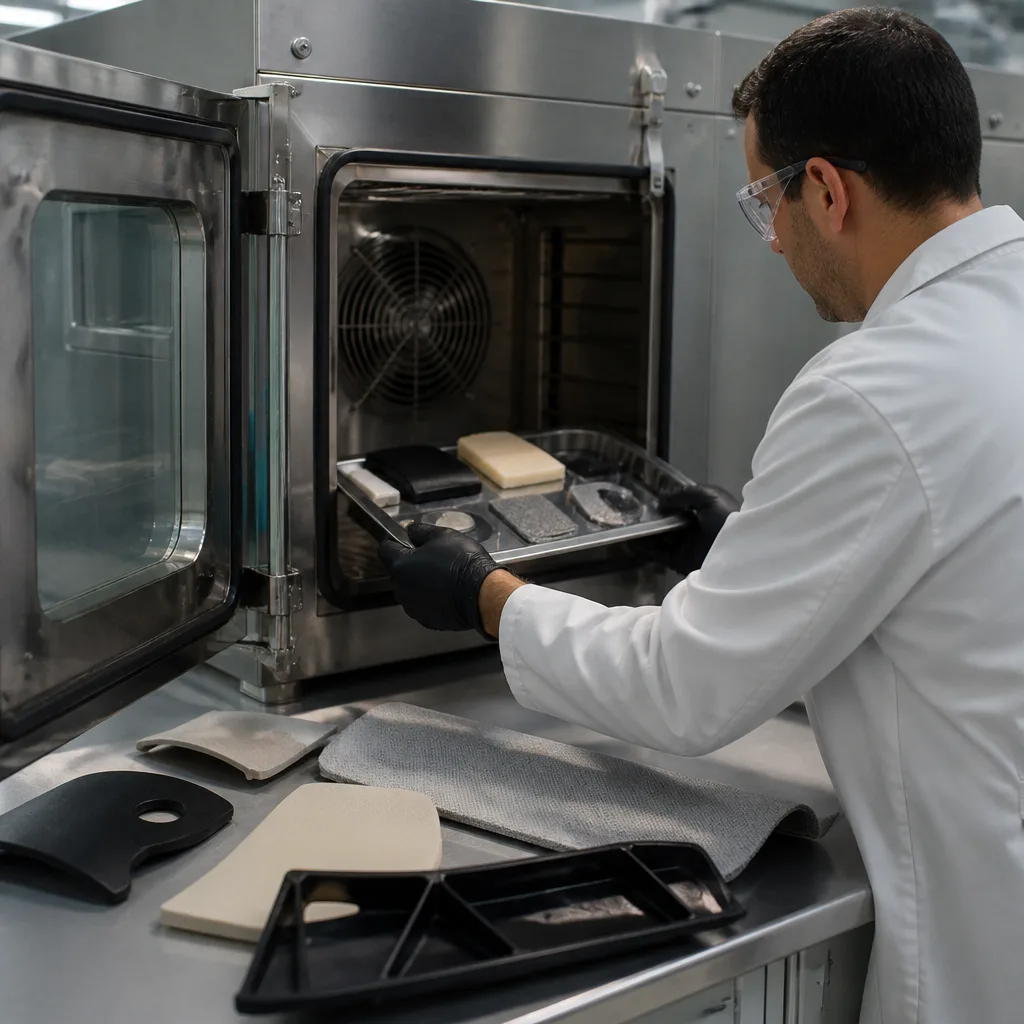
Modern vehicles incorporate numerous non-metallic materials, such as:
- Plastics
- Textile
- Carpets
- Leather and synthetic leather
- Adhesives
- foams
- Coatings
- Composite materials
These materials can release volatile compounds during vehicle use. Among the most critical are formaldehyde, various aldehydes, and ketones, which can contribute to interior odors, passenger discomfort, and interior air quality issues. The Ford FLTM BZ 156-01 standard provides a standardized method for measuring these emissions.
This standard applies to:
- Individual materials
- Components
- Finished assemblies
- Interior trim systems
- Upholstery materials
- Dashboard materials
- Door panel materials
- Ceiling tiles
- Interior coatings and adhesives
The described test method is used during material qualification testing, supplier approval, product development, and production verification.
The Ford FLTM BZ 156-01 standard consists of two analytical approaches:
- Procedure A - Photometric determination of formaldehyde: This procedure specifically measures formaldehyde emissions using a photometric analytical technique. The emitted formaldehyde is collected and quantified via a colorimetric reaction with an intensity proportional to the present concentration.
- Procedure B - HPLC determination of aldehydes and ketones: This procedure measures aldehyde and ketone compounds using high-performance liquid chromatography (HPLC). This method offers high sensitivity and allows for the identification and quantitative determination of multiple carbonyl compounds emitted from indoor materials.
In general, the tests follow these steps:
- Preparation of test samples.
- Conditioning of samples under controlled environmental conditions.
- Collection of compounds released from the sample.
- Chemical derivatization when required.
- Quantitative analysis using photometry or HPLC.
- Comparison of measured values with Ford material specifications.
This standard is frequently applied to the following:
- Polypropylene interior lining
- ABS and PC/ABS components
- polyurethane foams
- Fabric coverings
- Leather materials
- Adhesive systems
- Decorative films
- Coatings and paints
- Composite structures used in vehicle cabins.
The Ford FLTM BZ 156-01 standard is typically used with the following:
- Ford FLTM BZ 108-01 bag method for measuring VOC emissions.
- Determination of organic emissions by Ford FLTM BZ 157-01 Header cavity gas chromatography.
- Ford FLTM BO 131-03 Interior Odor Test
Together, these methods provide a comprehensive assessment of in-vehicle air quality and occupants' exposure to emissions.
The benefits that manufacturers gain from using the Ford FLTM BZ 156-01 standard are as follows:
- Improving in-vehicle air quality.
- To reduce harmful chemical emissions.
- To meet global environmental and health requirements.
- Checking material quality across suppliers.
- To reduce customer complaints related to odor.
- Supporting compliance with legal regulations in international markets.
- To improve passenger comfort and perceived vehicle quality.
In short, the Ford FLTM BZ 156-01 standard is important because it ensures that materials inside the vehicle do not release excessive amounts of formaldehyde, aldehydes, and ketones. These substances can negatively affect passenger health, comfort, and vehicle quality. This standard is considered necessary for the following reasons:
- Protects passenger health: Formaldehyde is a known irritant and can cause:
- Eye irritation
- Nasal and throat irritation
- Headache
- Respiratory problems
- Allergic reactions in sensitive individuals.
By controlling formaldehyde and other carbonyl emissions, this standard helps create a safer cabin environment for drivers and passengers.
- Improves interior air quality: Vehicle occupants spend long periods in enclosed cabins, especially in hot weather, where released chemicals can accumulate. This standard helps manufacturers in the following areas:
- Identifying high-emission materials
- Choosing low-emission alternatives
- To reduce overall cabin pollutant levels.
This contributes to better indoor air quality and a healthier passenger compartment.
- Reduces new car smell problems: Many aldehydes and ketones contribute to the characteristic new car smell. While some customers may initially find this pleasant, excessive emissions can cause:
- Strong chemical odors
- Customer dissatisfaction
- Perceived low quality
This standard helps to control odor-causing compounds before materials are approved for production.
- Supports global regulatory compliance: Many countries and automotive markets have set limits for indoor emissions and volatile organic compounds (VOCs). Testing against this standard helps Ford and its suppliers demonstrate compliance with these increasingly stringent environmental and health requirements.
- Ensures consistent material quality: This standard provides a uniform testing method for material suppliers, component manufacturers, and vehicle assembly plants. This allows Ford to objectively compare materials and maintain consistent quality across its global supply chains.
- It detects production problems early: High formaldehyde or aldehyde emissions may indicate:
- Improper resin curing
- Excessive use of adhesive
- Contaminated raw materials
- Process control problems
Testing during development and production helps identify these problems before the vehicles reach customers.
In short, the Ford FLTM BZ 156-01 standard is a specialized emissions testing standard focused on measuring formaldehyde, aldehyde, and ketone emissions from vehicle interior materials. By providing standardized photometric and HPLC-based analytical procedures, the method helps Ford and its suppliers ensure that interior components contribute to a healthier, lower-emission passenger environment while maintaining compliance with stringent in-vehicle air quality requirements.
For many years, our organization, with its competent and experienced staff, has been understanding the needs of its customers, providing the advanced testing services they require, and assisting them in the establishment, implementation, and improvement of management systems. Within this framework, we also provide testing services in accordance with the Ford FLTM BZ 156-01 standard.



