

The “BMW PA-P 231 Temperature Cycle Test” standard, developed by BMW, a multinational vehicle manufacturer, describes a method for evaluating how materials and components withstand repeated temperature fluctuations. This method simulates real-world conditions where vehicle parts are exposed to extreme heat and cold cycles, such as operating in different climates, engine compartment exposure, or parking in varying weather conditions.
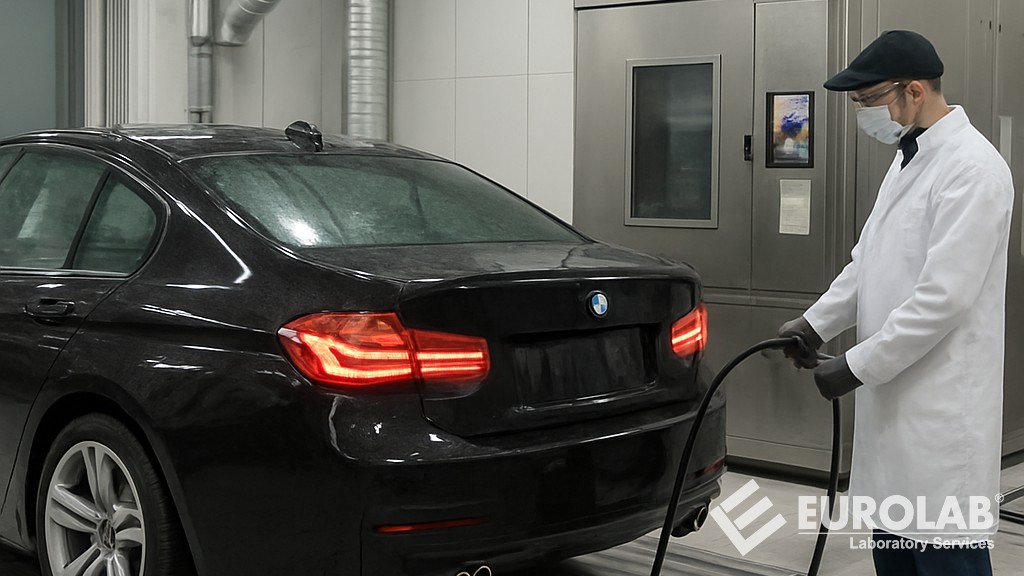
This standard is a specific test specification within the BMW Group's internal standards for evaluating material and component durability. It falls into the category of environmental and aging tests used specifically for automotive parts, such as interior and exterior trim, coatings, plastics, seals, and other materials exposed to varying conditions in vehicles.
The main areas this standard focuses on are:
This standard is closely related to the “BMW AAP 276 Temperature Cycle Test” standard. It is part of a broader series of standards for aging, weathering, and environmental resistance. This standard complements standards such as the “PA-P 230 Aging Resistance Test” and the “BMW PA-P 208 Condensate Water Constant Atmosphere Test”.
This test typically includes the following:
Suppliers must demonstrate that components comply with the BMW PA-P 231 standard in order to obtain approval for use in BMW production. This standard is a critical part of the company's rigorous materials and component qualification process. Modern vehicles need to provide consistent performance, safety, and long-term durability, especially in the extreme temperatures that vehicles face globally. Here are the key reasons why this standard is necessary:
Without repeated thermal cycling tests, components can fail prematurely, leading to safety issues or costly warranty claims.
Different materials expand and contract at different rates: Most automotive parts are multi-material assemblies (e.g., plastic coatings with metal inserts, painted surfaces on plastic substrates, adhesives bonding different materials, gaskets/sealants, coatings, electronic housings). Their thermal expansion coefficients differ. During temperature cycles, mismatched expansion/contraction creates internal stresses. Over hundreds/thousands of cycles, this leads to:
This standard accelerates and simulates these stresses to reveal weaknesses before the parts reach customers.
Failing these tests can lead to visible defects (cracks, fading, discoloration) or functional failures (leaks, rattling, loss of adhesion), damage brand reputation, and increase rework/repair costs.
In conclusion, the BMW PA-P 231 standard is not merely a procedure; it is a proactive engineering requirement to ensure that BMW vehicles remain reliable, safe, and visually flawless throughout their lifespan, no matter where in the world they are driven. This level of scrutiny is part of BMW's commitment to maintaining its reputation.
For many years, our organization, with its competent and experienced staff, has been understanding the needs of its clients, providing the advanced testing services they require, and assisting them in the establishment, implementation, and improvement of management systems. Within this framework, we also provide testing services in accordance with the BMW PA-P 231 standard.
To get an appointment, to get more detailed information or to request an evaluation, you can ask us to fill in our form and reach you.

