

The “Fiat 7-M0005 Scratch Resistance Test for Molded Plastic Trim Parts” standard, developed by Fiat Chrysler Automobiles (FCA) (now Stellantis), an Italian-American automotive company, is an automotive materials and performance standard designed to evaluate the scratch resistance of molded plastic trim parts used in vehicle interior and exterior applications. This standard focuses particularly on thermoplastic parts with relatively low surface hardness and decorative coatings.
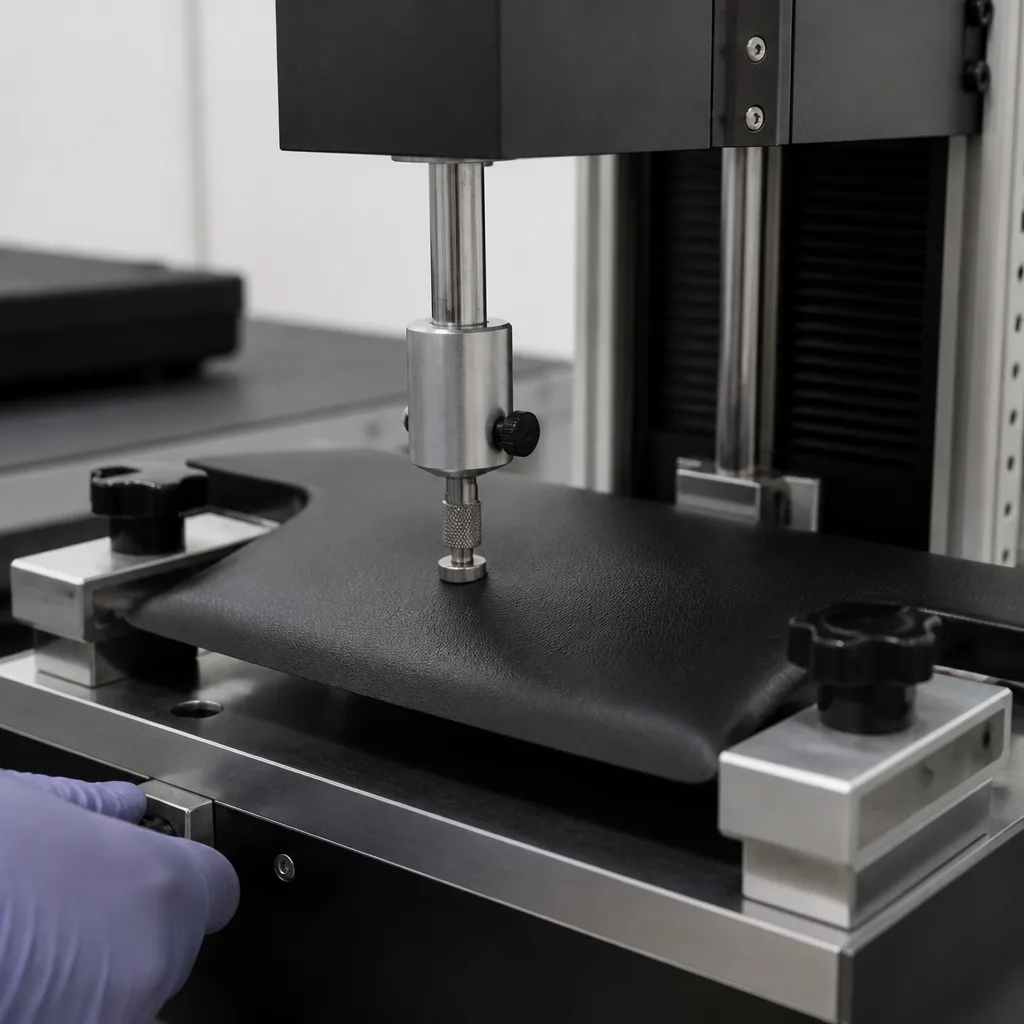
The described test method is commonly associated with automotive surface durability verification and is used during material approval, supplier qualification, and manufacturing quality control.
The primary purpose of the Fiat 7-M0005 standard is to determine how resistant a plastic part's surface is to visible scratches, abrasions, or surface deformation during normal vehicle use. Typical causes of scratches include:
This standard helps ensure that interior and exterior trim pieces maintain an acceptable appearance throughout the vehicle's lifespan. The Fiat 7-M0005 standard is generally applied in the following areas:
This standard specifically refers to the following:
Typical polymers evaluated under the Fiat 7-M0005 standard include:
Surface quality significantly affects performance. Highly glossy materials show scratches more clearly than textured surfaces.
The Fiat 7-M0005 standard evaluates surface damage after controlled scratching under generally specified conditions. During the test, a scratching tool or a defined scratching element is moved across the material surface in a controlled manner (force, speed, angle, and environmental conditions). The resulting surface damage is then visually assessed.
The evaluation criteria are as follows:
Many automotive applications use visual rating systems to classify the severity of scratches.
The Fiat 7-M0005 standard acknowledges that the texture significantly affects the visibility of scratches:
This is one reason why many vehicle interiors use controlled matte textures instead of piano black trim.
Scratch resistance in vehicles directly affects the following:
There are several variables that affect test results (scratch performance):
The Fiat 7-M0005 standard is part of a broader family of automotive surface durability standards that includes:
The following equipment is generally used when conducting tests:
Environmental conditioning chambers are also commonly used before testing.
The Fiat 7-M0005 standard has gained importance as modern vehicles increasingly rely on lightweight decorative plastics instead of painted metal or heavily textured materials. As automotive interiors evolve towards soft-touch surfaces, superior aesthetics, and intricately molded geometries, surface durability standards have become essential to maintain customer satisfaction and perceived quality.
In short, the Fiat 7-M0005 standard is important because it helps automotive plastic trim parts maintain their appearance and durability throughout the vehicle's lifespan. Modern vehicles feature many visible plastic surfaces, and even minor scratches can significantly impact a customer's perception of quality. This standard provides a controlled method for assessing whether a material or part is resistant to everyday mechanical damage. This standard is considered important for the following reasons:
In conclusion, the Fiat 7-M0005 standard is a significant automotive engineering standard focusing on the scratch resistance of molded plastic trim components. It provides a structured method for evaluating how automotive plastic surfaces withstand daily wear and cosmetic damage. This standard plays a crucial role in:
Although originally developed for Fiat automotive programs, the principles behind the Fiat 7-M0005 standard remain highly relevant in the modern automotive industry, where durable and visually appealing plastic surfaces are essential for both functionality and customer perception.
For many years, our organization, with its competent and experienced staff, has been understanding the needs of its customers, providing the advanced testing services they require, and assisting them in the establishment, implementation, and improvement of management systems. Within this framework, we also provide testing services in accordance with the Fiat 7-M0005 standard.
To get an appointment, to get more detailed information or to request an evaluation, you can ask us to fill in our form and reach you.

